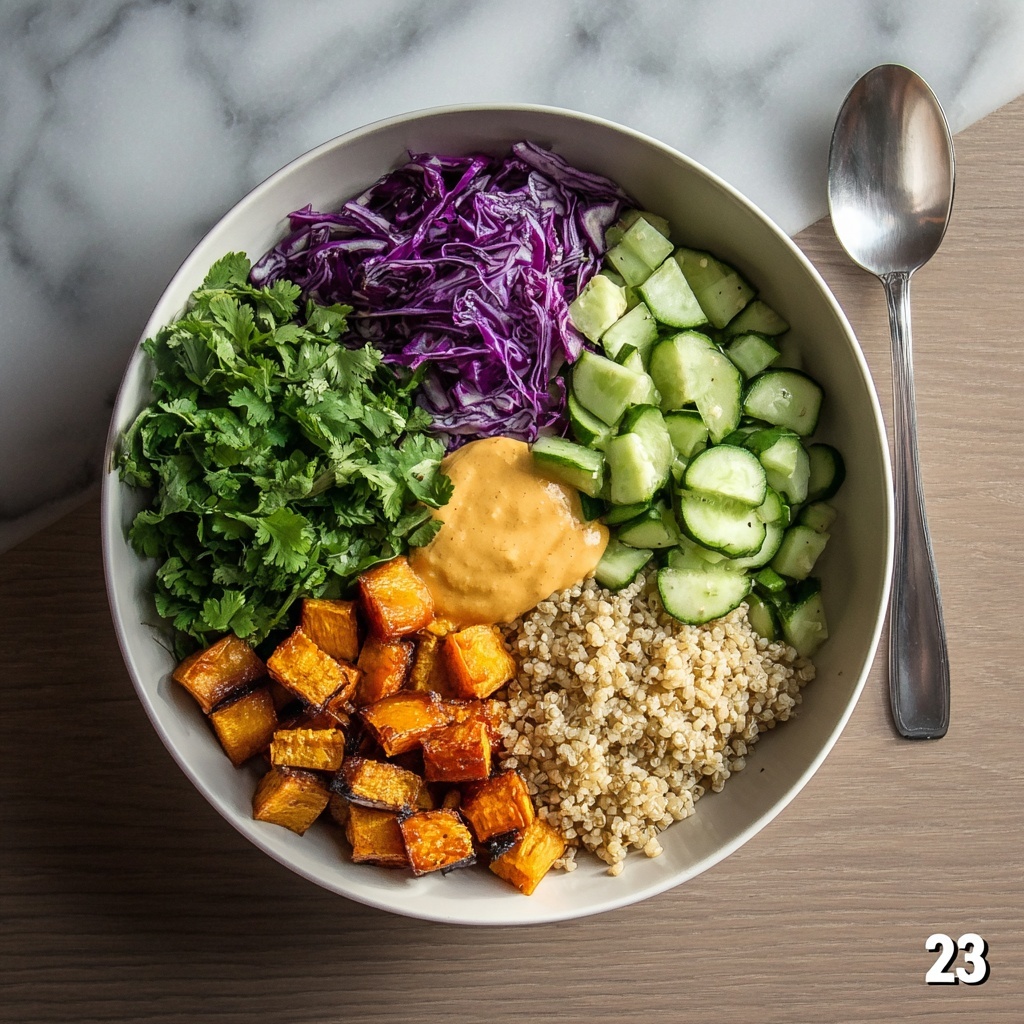
If you’re craving a bowl that bursts with vibrant colors and bold flavors, you’re going to love this Thai Peanut Sweet Potato Buddha Bowl Recipe. It’s a perfect harmony of tender roasted sweet potatoes, crisp veggies, and a creamy, tangy peanut sauce that feels like a warm hug for your taste buds. Whether you’re eating it for lunch or dinner, this bowl offers a satisfying, wholesome experience that’s both nourishing and exciting. Plus, it’s super simple to whip up, making it an ideal go-to meal when you want something fresh, comforting, and packed with flavor.
Ingredients You’ll Need
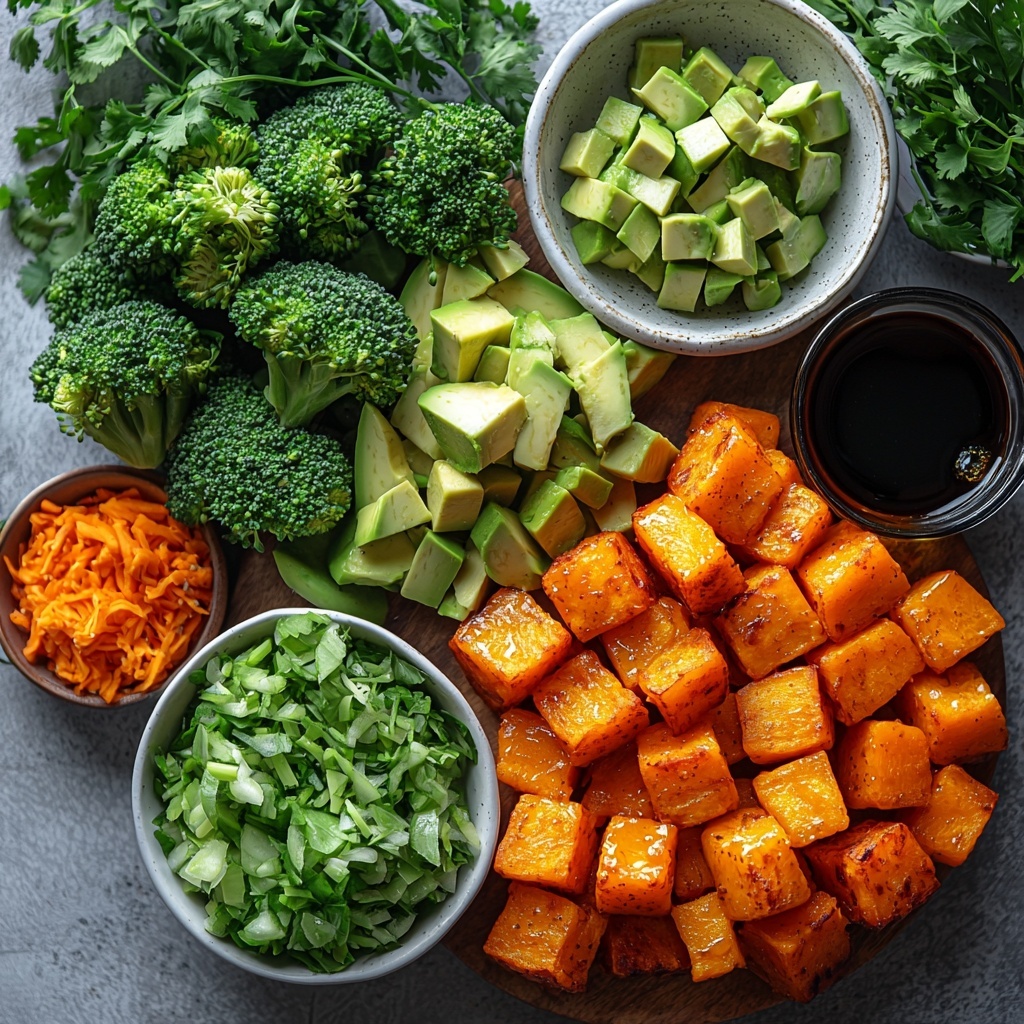
To create this dish, you’ll want to gather a handful of ingredients that are straightforward but essential. Each one contributes something special, from sweet and savory elements to crunchy textures and fresh herbal notes, building a well-rounded bowl you’ll want to come back to time and again.
- Sweet potatoes: The star ingredient delivering natural sweetness and a soft, caramelized texture after roasting.
- Broccoli florets: Adds a lovely crunch and a touch of green freshness to balance the sweetness.
- Shredded green cabbage: Brings a crisp bite with subtle peppery undertones, enhancing the overall texture.
- Avocado: Creamy and rich, avocado creates a mellow contrast that complements the peanut sauce beautifully.
- Grated carrots: For a pop of color and natural sweetness with a fresh, crisp texture.
- Fresh cilantro: Infuses the bowl with an aromatic herbaceous lift that brightens every bite.
- Peanut butter: The heart of the sauce, delivering savory richness and that unmistakable nutty depth.
- Soy sauce: Adds umami and a hint of saltiness, essential for balancing the sweetness in the sauce.
- Maple syrup: Gives just the right touch of sweetness, rounding out the peanut sauce with warmth.
- Lime juice: Lends a fresh, zesty acidity that cuts through the richness and brightens the flavors.
- Sesame oil: A fragrant finishing note that adds complexity and a subtle nutty aroma to the sauce.
- Olive oil: Used for roasting the sweet potatoes to golden perfection and enhancing their natural flavor.
- Salt and pepper: Simple seasonings to enhance all the ingredients’ natural tastes.
How to Make Thai Peanut Sweet Potato Buddha Bowl Recipe
Step 1: Prepare and Roast the Sweet Potatoes
Start by preheating your oven to 400°F (200°C). Dice the sweet potatoes into bite-sized pieces, then spread them out evenly on a baking sheet. Drizzle with olive oil and season with a pinch of salt and pepper. Roast these sweet chunks for 25 to 30 minutes until they’re tender on the inside and gorgeously golden and slightly crispy on the outside. Roasting concentrates their natural sweetness, making them the perfect cozy base for your bowl.
Step 2: Toss the Fresh Veggies
While the sweet potatoes roast, combine your broccoli florets, shredded green cabbage, grated carrots, and diced avocado in a large bowl. Toss them gently to mix without bruising the avocado. This mix adds wonderful texture and freshness, balancing the warmth of the roasted potatoes with a crisp, cool crunch.
Step 3: Whisk Together the Peanut Sauce
In a small bowl, whisk together creamy peanut butter, soy sauce, maple syrup, freshly squeezed lime juice, and sesame oil until you achieve a smooth, luscious sauce. This sauce is pure magic — creamy, tangy, slightly sweet, and full of umami — and it’s what truly elevates the Thai Peanut Sweet Potato Buddha Bowl Recipe to the next level.
Step 4: Assemble Your Bowl
Start by creating a base with your mixed fresh veggies, then spoon warm roasted sweet potatoes over the top. Drizzle generously with your homemade peanut sauce, and finish with a sprinkle of fresh cilantro leaves. Each bite will deliver a stunning combination of textures and flavors that feels both indulgent and vibrant.
How to Serve Thai Peanut Sweet Potato Buddha Bowl Recipe
Garnishes
To add a little extra flair and crunch, consider sprinkling some toasted sesame seeds or crushed peanuts over the top. A wedge of lime on the side invites a burst of citrus right before eating, brightening every mouthful. Fresh herbs like extra cilantro or chopped green onions also work beautifully to bring freshness and color.
Side Dishes
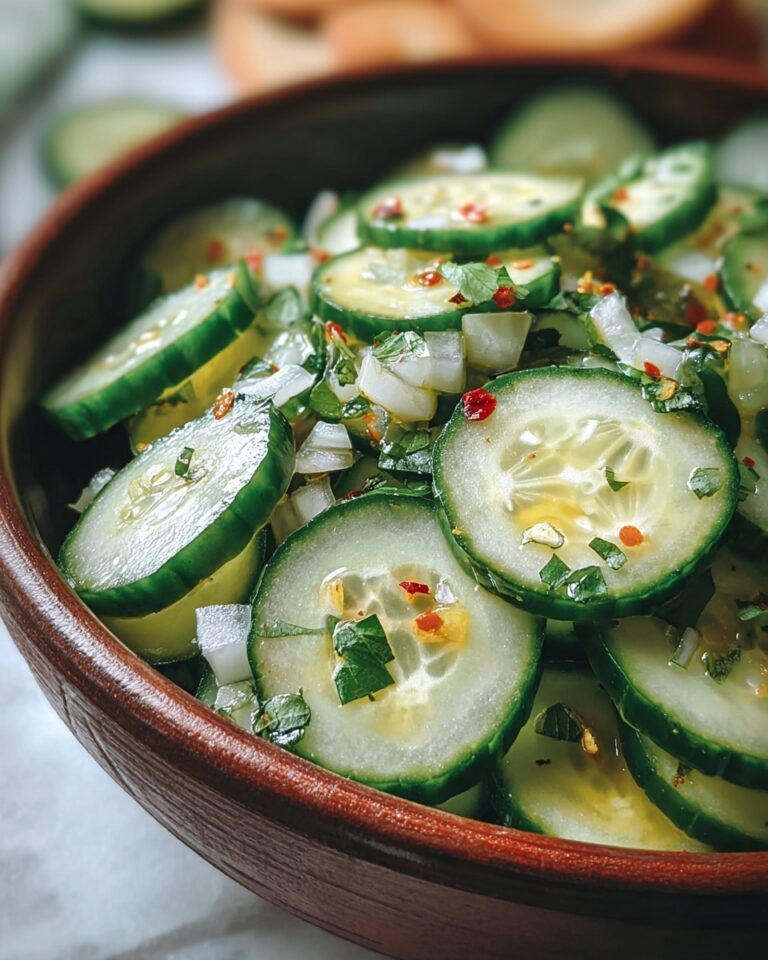
This bowl shines brilliantly as a standalone meal, but if you’re feeling like turning it into a feast, pairing it with simple jasmine rice or quinoa can make it heartier. A crisp cucumber salad or pickled vegetables offer a refreshing contrast that pairs wonderfully with the rich peanut sauce.
Creative Ways to Present
For a playful twist, serve this dish in colorful ceramic bowls or on flat plates layered artistically like a vegetable “canvas.” Adding edible flowers or even thinly sliced red chili peppers on top can turn this wholesome Buddha bowl into a stunning visual masterpiece that’s as beautiful to look at as it is delicious to eat.
Make Ahead and Storage
Storing Leftovers
You can store any leftover roasted sweet potatoes and peanut sauce separately in airtight containers in the fridge for up to 3 days. Keep the fresh veggies and avocado aside and add them fresh when you’re ready to eat to maintain their crisp texture and vibrant flavor.
Freezing
The roasted sweet potatoes freeze well, making meal prep a breeze. Cool them completely, then freeze in single-use portions. When you want to enjoy the Thai Peanut Sweet Potato Buddha Bowl Recipe again, simply thaw in the fridge overnight or gently reheat in the oven or microwave before assembling.
Reheating
To warm up leftovers, gently microwave or reheat the roasted sweet potatoes until just hot, then assemble your bowl fresh with uncooked veggies and sauce. Avoid reheating the avocado or fresh cabbage as they’re best enjoyed raw and crisp.
FAQs
Can I make this recipe vegan and gluten-free?
Absolutely! This Thai Peanut Sweet Potato Buddha Bowl Recipe is naturally vegan, and by using gluten-free tamari instead of soy sauce, it becomes perfect for a gluten-free diet as well.
What can I use instead of peanut butter?
If you have a peanut allergy, try substituting almond butter or sunflower seed butter for a similar creamy texture, though the flavor will be slightly different. Tahini can also work nicely with an extra splash of lime.
Is there a way to make this recipe spicier?
Definitely! Add chili flakes to the peanut sauce or garnish your bowl with sliced fresh chilies for a pleasant kick that will complement the dish’s savory-sweet balance.
Can I prepare parts of this dish in advance?
You can roast the sweet potatoes and prepare the peanut sauce a day ahead, storing them separately. The fresh veggies are best prepared just before serving to keep everything crisp and fresh.
What is the best way to eat a Buddha bowl?
A Buddha bowl is all about balance and layering flavors, so take your time to enjoy the mix of textures and tastes in each bite. Using a fork to get a little bit of everything at once is the best way to experience the full magic of the Thai Peanut Sweet Potato Buddha Bowl Recipe.
Final Thoughts
This Thai Peanut Sweet Potato Buddha Bowl Recipe is one of those dishes that makes you smile with every mouthful. It’s vibrant, satisfying, and packed with nutrients, yet so comforting and full of flavor that it feels like a treat. I can’t wait for you to try it and maybe even put your own spin on it. Trust me, once you taste that creamy peanut sauce alongside sweet roasted potatoes and fresh veggies, you’ll be dreaming about this bowl long after the last bite.
Print
Thai Peanut Sweet Potato Buddha Bowl Recipe
- Prep Time: 10 minutes
- Cook Time: 30 minutes
- Total Time: 40 minutes
- Yield: 4 servings
- Category: Lunch, Dinner, Bowl
- Method: Baking
- Cuisine: Thai
- Diet: Vegetarian
Description
A vibrant and nutritious Thai Peanut Sweet Potato Buddha Bowl featuring roasted sweet potatoes, fresh veggies, and a creamy peanut sauce, perfect for a wholesome plant-based meal.
Ingredients
Roasted Sweet Potatoes
- 2 medium sweet potatoes, diced
- Olive oil, for drizzling
- Salt, to taste
- Black pepper, to taste
Veggie Mix
- 1 cup broccoli florets
- 1 cup shredded green cabbage
- 1/2 cup grated carrots
- 1 avocado, sliced
- 1/4 cup fresh cilantro, chopped
Peanut Sauce
- 1/2 cup peanut butter
- 2 tablespoons soy sauce
- 1 tablespoon maple syrup
- 1 tablespoon lime juice
- 1 teaspoon sesame oil
Instructions
- Roast the Sweet Potatoes: Preheat your oven to 400°F (200°C). Dice the sweet potatoes into bite-sized pieces, spread them evenly on a baking sheet, drizzle with olive oil, and season with salt and pepper. Roast in the oven for 25–30 minutes or until the potatoes are golden brown and tender when pierced with a fork.
- Prepare the Veggie Mix: In a large mixing bowl, combine the broccoli florets, shredded green cabbage, grated carrots, and sliced avocado. Gently toss to distribute the ingredients evenly, being careful not to mash the avocado.
- Make the Peanut Sauce: Whisk together peanut butter, soy sauce, maple syrup, lime juice, and sesame oil in a small bowl until the mixture is smooth and well combined. Adjust seasoning to taste if needed.
- Assemble the Bowl: Divide the mixed vegetables equally between four bowls as the base. Top each with a generous portion of the roasted sweet potatoes. Drizzle the creamy peanut sauce over the top and garnish with fresh chopped cilantro for a burst of flavor and color.
Notes
- For a spicier kick, add a pinch of red chili flakes to the peanut sauce.
- You can substitute soy sauce with tamari to make the recipe gluten-free.
- Roast extra sweet potatoes and keep leftovers refrigerated for up to 3 days.
- Add toasted peanuts or sesame seeds for additional crunch.
- Avocado should be added just before serving to prevent browning.