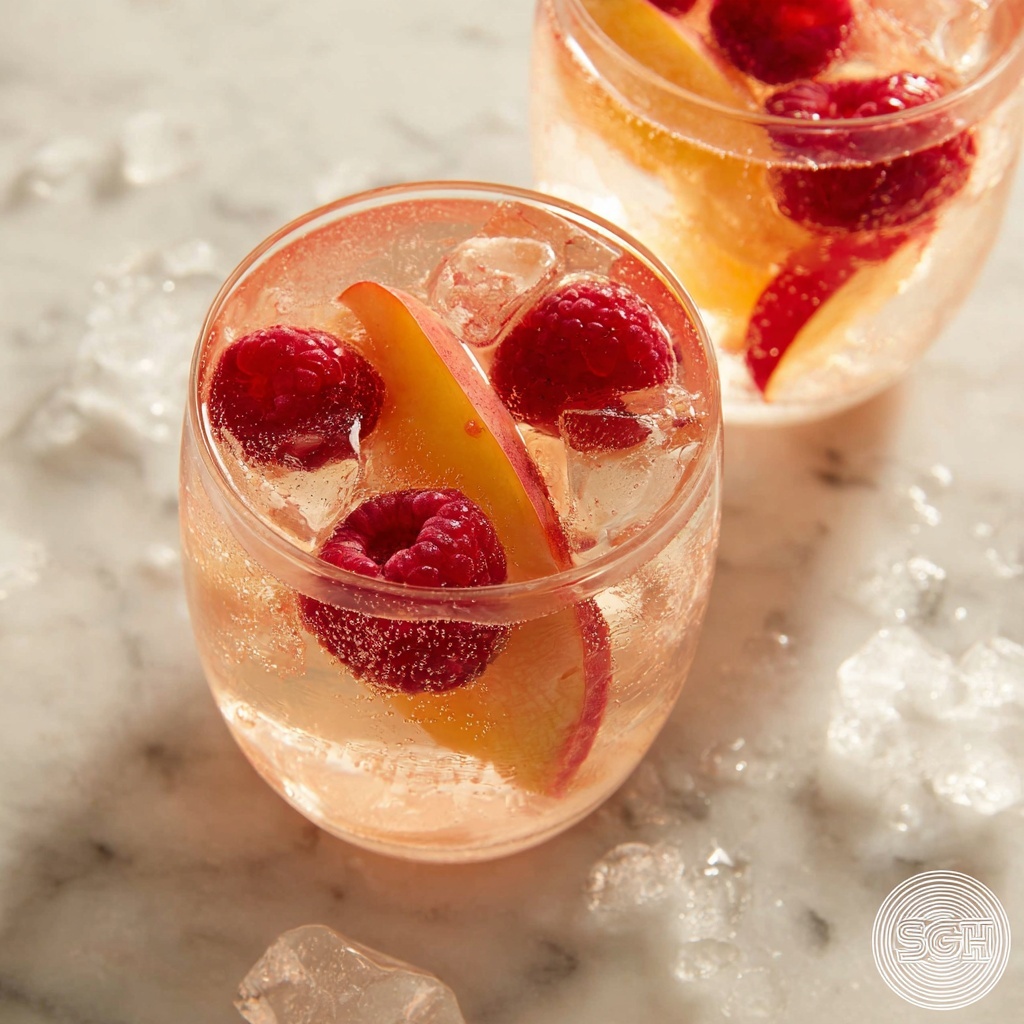
If you’re looking to elevate your summer gatherings or simply enjoy a refreshing drink that feels like a celebration in every sip, this Rosé Sangria Recipe is an absolute must-try. Combining the delicate floral notes of dry rosé wine with the sweet vibrancy of fresh fruit and a splash of elderflower liqueur, this sangria bursts with flavor and charm. Its balance of sweetness, tartness, and effervescence makes it perfect for any occasion, from lazy afternoons on the porch to lively dinner parties.
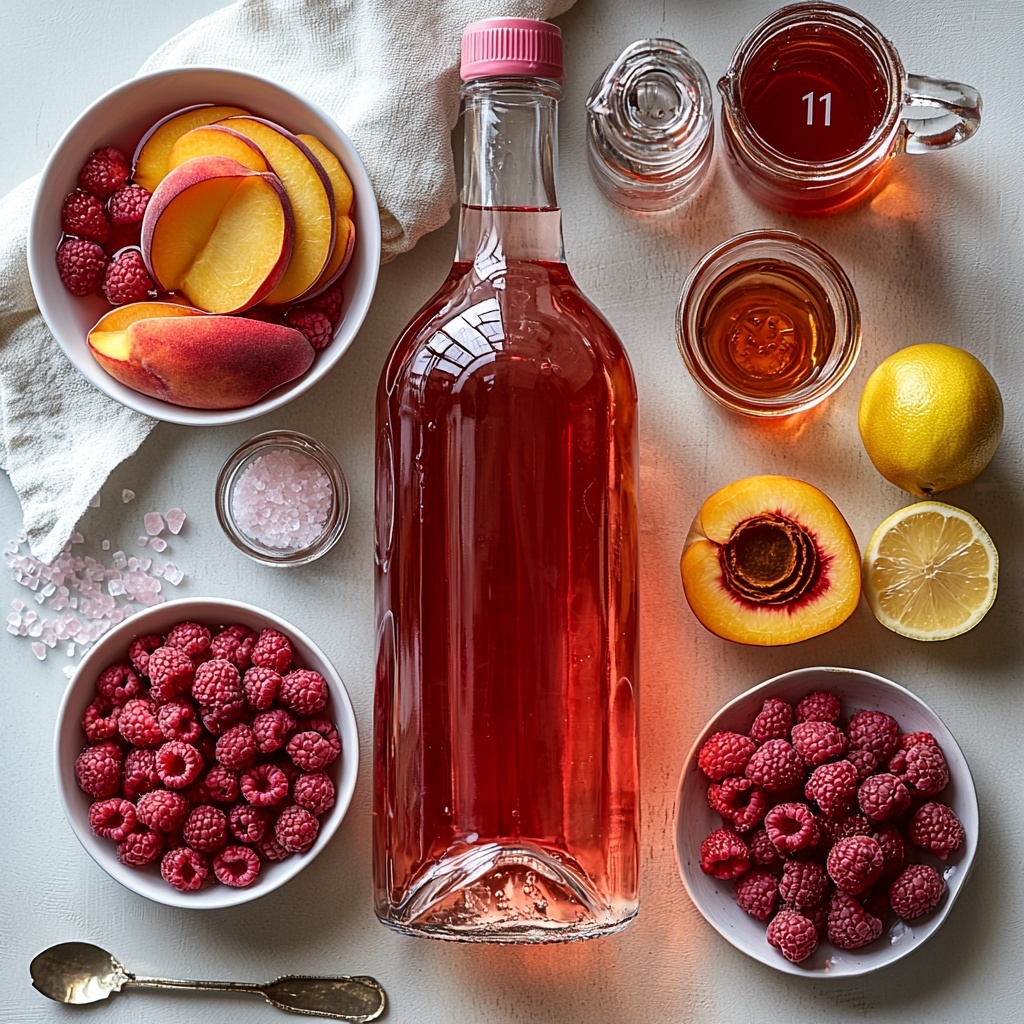
Ingredients You’ll Need
Gathering the right ingredients is the secret to crafting a Rosé Sangria Recipe that’s bursting with fresh, lively flavor. Each component plays a unique role—from the crisp base wine to the bright fruit and subtle liqueurs, every ingredient adds layers of taste and texture.
- 750 ml bottle of dry rosé wine: The star of the show, providing a light and refreshing base with delicate fruity notes.
- ½ cup elderflower liqueur: Adds a beautiful floral sweetness that elevates the sangria’s complexity.
- 2 tablespoons brandy: Brings warmth and depth, boosting the overall richness.
- 2 tablespoons fresh lemon juice: Adds brightness and balances sweetness with a zesty kick.
- 2 tablespoons granulated sugar: Sweetens the mix just enough to harmonize the tart and floral elements.
- 1 ripe but firm peach, thinly sliced: Offers juicy, aromatic fruitiness and vibrant color.
- ¾ cup raspberries: Injects a burst of tart red color and fresh berry flavor throughout.
- 8 ounces club soda: Adds a refreshing bubbly finish that makes every sip fizzy and fun.
How to Make Rosé Sangria Recipe
Step 1: Combine Your Base Ingredients
Start by placing the dry rosé wine, elderflower liqueur, brandy, fresh lemon juice, and granulated sugar into a large pitcher. This blend creates a perfectly balanced liquid base, where floral sweetness meets lively citrus tang and a touch of warmth from the brandy. Stir everything gently to begin melding those flavors.
Step 2: Add the Fresh Fruit
Next, gently fold in the thinly sliced peach and raspberries. These fruits infuse the sangria with natural sweetness and vibrant color, making the drink visually stunning and bursting with juicy notes as the fruit soaks in the wine mixture.
Step 3: Chill and Marinate
Refrigerate the pitcher for at least 2 hours, and up to 8 hours if you can wait that long. This chilling time is crucial as it allows all the flavors to mingle and intensify, creating a harmonious sangria that’s refreshing and perfectly balanced.
Step 4: Final Touches Before Serving
Right before serving, give your sangria a gentle stir to redistribute the fruit and sugars. Add ice both to the pitcher and your glasses to keep everything cool and crisp. Just before pouring, stir in the bubbly club soda for a lively fizz that lifts the entire drink.
How to Serve Rosé Sangria Recipe
Garnishes
For a gorgeous presentation, garnish each glass with a few fresh raspberries and a peach slice on the rim. A sprig of fresh mint adds a lovely contrast in aroma and a splash of green that’s inviting. These little touches not only make your drink look stunning but add an extra layer of fragrance as you sip.
Side Dishes
This Rosé Sangria Recipe pairs wonderfully with light, summery appetizers. Think charcuterie boards featuring creamy cheeses, cured meats, and fresh fruit, or simple tapas like garlic shrimp, olives, and crusty bread. The sangria’s floral and fruity notes beautifully complement these dishes without overpowering them.
Creative Ways to Present
If you want to impress your guests, serve the sangria in clear glass pitchers or even individual mason jars for a rustic touch. You can also freeze some mixed fruit cubes ahead of time to use instead of ice, so your drink stays chilled without diluting the flavor. Adding edible flowers is another fun way to bring vibrant color and sophistication to your presentation.
Make Ahead and Storage
Storing Leftovers
After enjoying your sangria, simply cover the pitcher with plastic wrap or transfer to a sealed container and refrigerate. It’ll keep beautifully fresh for up to 2 days. The fruit will continue to soak up the flavors, making every sip slightly more infused and delicious the next day.
Freezing
While freezing the entire sangria is not recommended due to texture changes and carbonation loss, you can freeze pieces of the fruit to use in future batches. Frozen fruit cubes make for a perfect way to chill your drink while keeping it flavorful and visually appealing.
Reheating
Sangria is best served cold and fizzy, so reheating is generally not advised. However, if you want a warm twist, try making a mulled rosé by gently warming the mixture with mulling spices but omit the club soda to retain the smooth texture.
FAQs
Can I use sweet rosé wine instead of dry?
You absolutely can, but keep in mind that sweet rosé might make your sangria much sweeter. You may want to reduce the sugar to balance the flavors.
Is elderflower liqueur essential?
It adds a lovely floral note that makes this sangria extra special, but if you don’t have it, you can substitute with a splash of orange liqueur or even a bit of honey syrup for sweetness.
How long can I prepare this sangria in advance?
Preparing it 2 to 8 hours ahead is ideal to let the flavors meld beautifully. Any longer and the fruit can become overly soft and mushy.
Can I make this recipe vegan?
Yes! Just double-check that your brandy and elderflower liqueur are free from animal products, which most commonly they are, but it’s good to be sure.
What’s the best way to keep the sangria fizzy?
Add club soda right before serving and pour gently. Keep the sangria chilled, and avoid stirring too vigorously after adding the soda to maintain those lively bubbles.
Final Thoughts
There’s nothing quite like sharing a glass of this refreshing Rosé Sangria Recipe with friends or family on a sunny day. It’s so simple to make, yet it feels like a special occasion in every sip. I promise once you try it, this will become one of your go-to drinks that brings joy and a little sparkle to any moment.
Print
Rosé Sangria Recipe
- Prep Time: 10 minutes
- Cook Time: 0 minutes
- Total Time: 2 hours 10 minutes
- Yield: 6 servings
- Category: Beverage
- Method: No-Cook
- Cuisine: Mediterranean
Description
This refreshing Rosé Sangria blends dry rosé wine with elderflower liqueur, brandy, fresh lemon juice, and a hint of sweetness from granulated sugar. Enhanced with ripe peach slices and fresh raspberries, it’s refreshed with club soda to create a light and bubbly summer cocktail perfect for gatherings.
Ingredients
Liquids
- 1 750 ml bottle of dry rosé wine
- ½ cup elderflower liqueur
- 2 tablespoons brandy
- 2 tablespoons fresh lemon juice
- 8 ounces club soda
Sweetener
- 2 tablespoons granulated sugar
Fruit
- 1 ripe but still firm peach, cored and thinly sliced
- ¾ cup raspberries
Instructions
- Combine ingredients: Place the dry rosé wine, elderflower liqueur, brandy, fresh lemon juice, granulated sugar, peach slices, and raspberries into a large pitcher. Gently stir the mixture to combine the flavors without bruising the fruit.
- Refrigerate: Cover the pitcher and refrigerate the sangria for at least 2 hours to allow the flavors to meld together. It can be kept refrigerated for up to 8 hours for deeper infusion.
- Prepare to serve: Before serving, gently stir the sangria again to redistribute the ingredients. Add ice cubes to both the pitcher and serving glasses to chill the drink.
- Add club soda and garnish: Stir the club soda into the pitcher to add light carbonation. Pour the sangria into ice-filled glasses and optionally garnish with additional slices of peach or raspberries for a decorative touch.
Notes
- Use a dry rosé wine for the best balance of acidity and fruitiness in the sangria.
- Adjust the sugar quantity depending on your desired sweetness level.
- For a stronger sangria, increase the brandy slightly, but do so cautiously to keep balance.
- Ensure peaches are firm to prevent them from turning mushy during refrigeration.
- Serve immediately after adding club soda to maintain the fizz.
- Can be prepared a day in advance but add club soda just before serving.