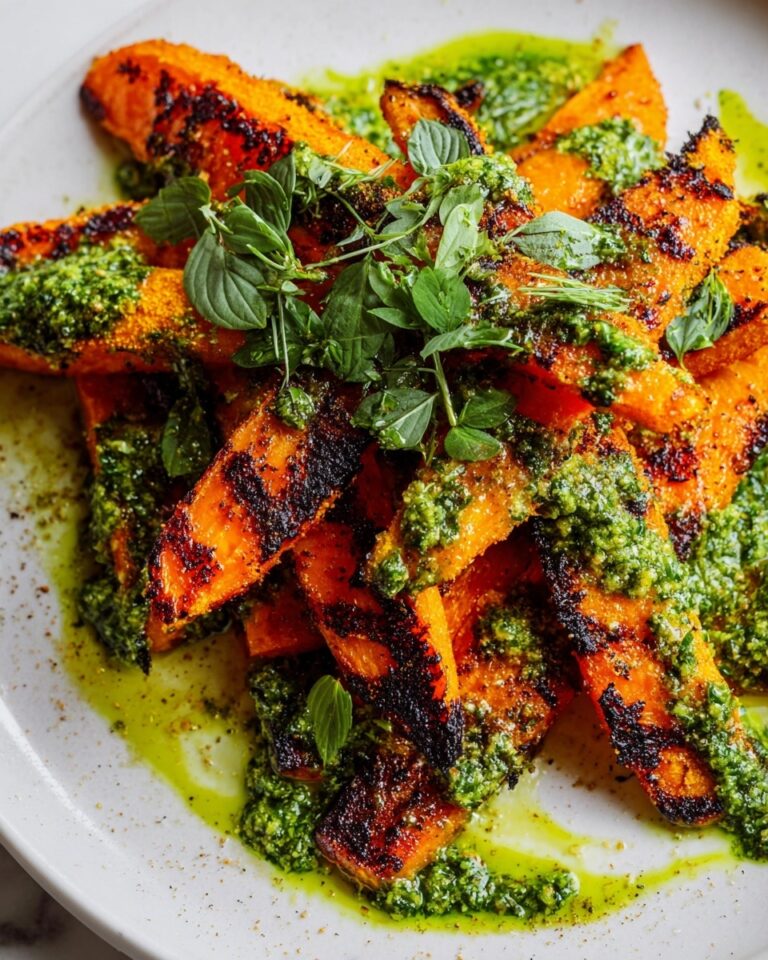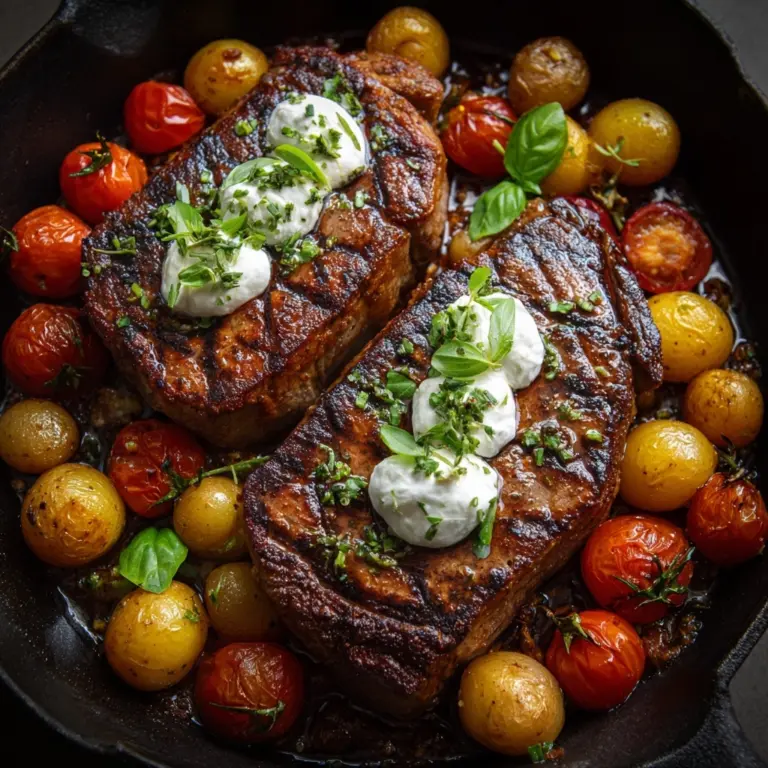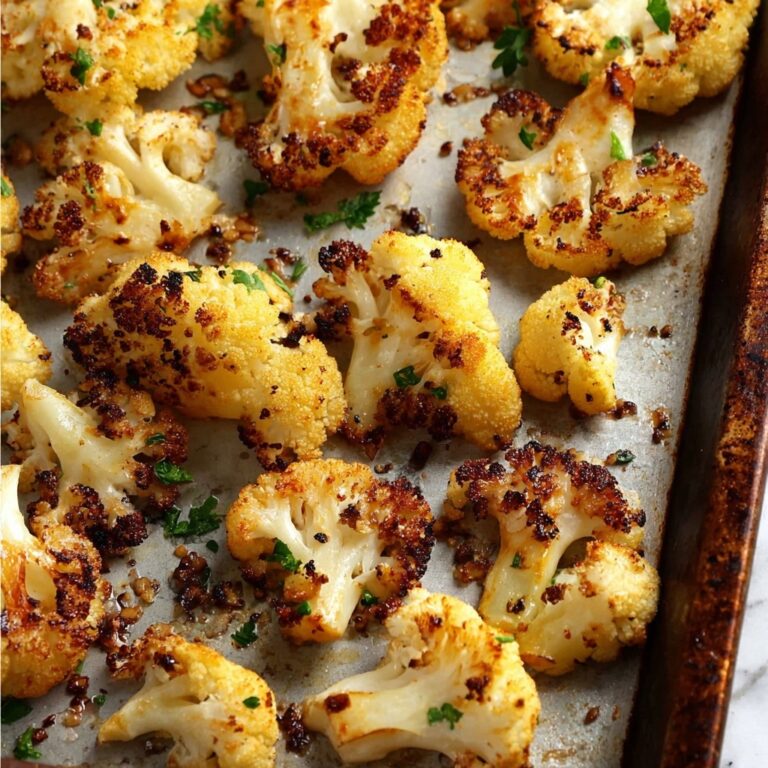
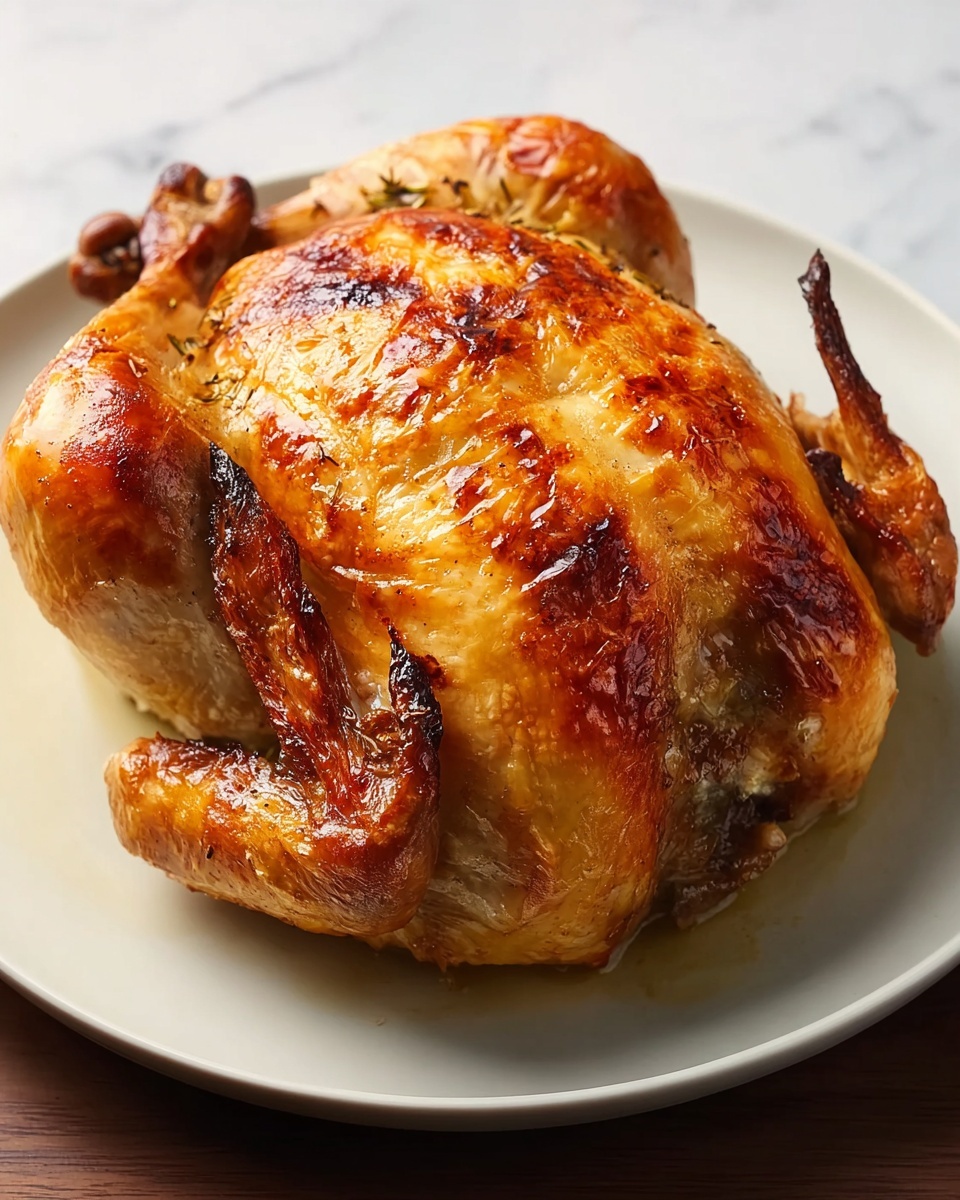
If you’re looking to create a centerpiece that wows and fills your home with irresistible aromas, this Classic Herb-Roasted Turkey Recipe is absolutely the way to go. Imagine tender, juicy turkey infused with fragrant herbs and garlic, with a golden, crispy skin that practically melts in your mouth. Whether it’s a festive occasion or a special family dinner, this recipe brings warmth and timeless flavor to your table every time. With simple ingredients and straightforward steps, it’s a dish that feels both elegant and achievable—perfect for creating cherished memories around the dinner table.
Ingredients You’ll Need
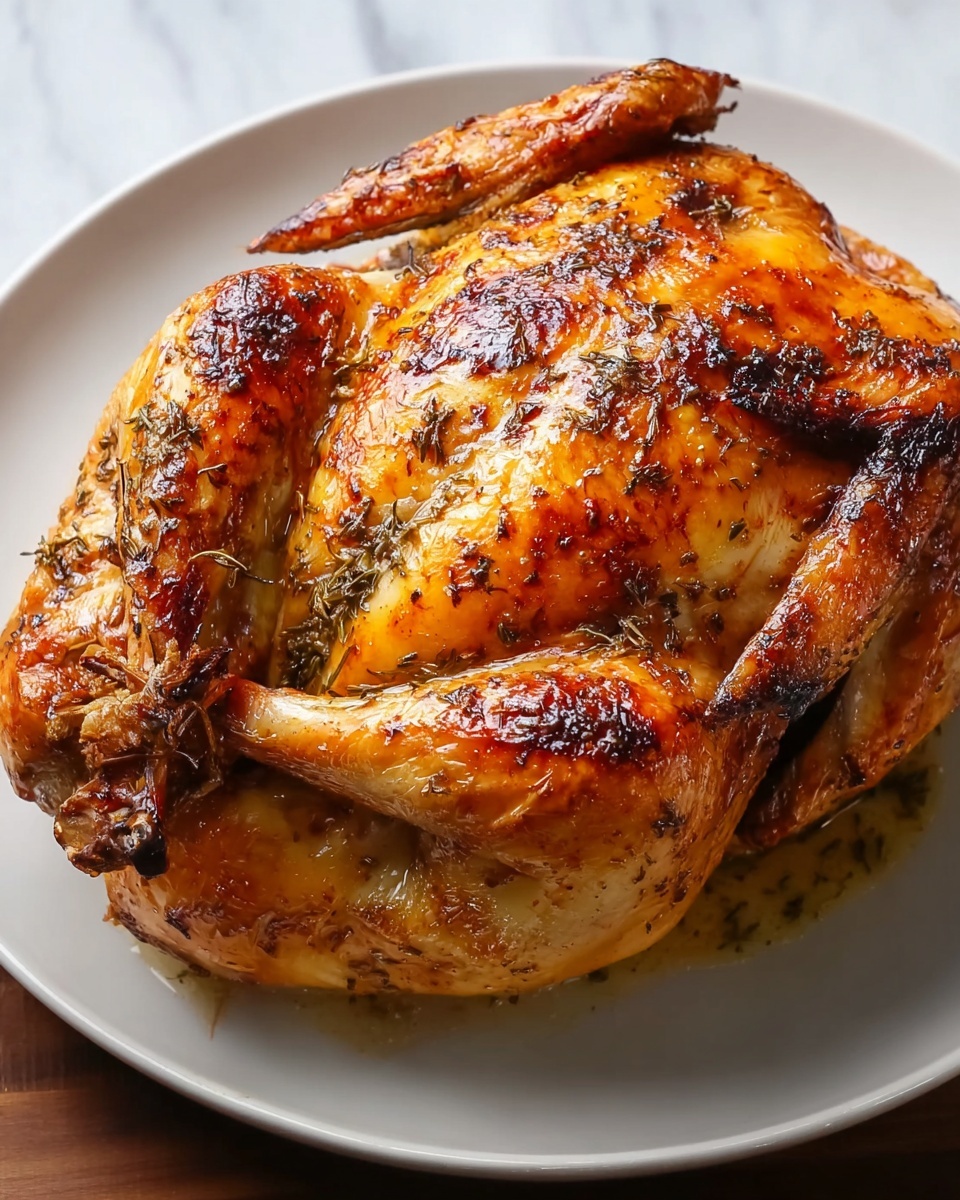
Each ingredient in this Classic Herb-Roasted Turkey Recipe plays a crucial role in building layers of flavor, moisture, and aroma, making the turkey succulent and beautifully seasoned from the inside out. The balance between fresh herbs, butter, and aromatics ensures the final roast is bursting with savory goodness and eye-catching appeal.
- Whole turkey (10 to 14 pounds): Your star ingredient, thawed for even cooking and perfect juiciness.
- Unsalted butter (1/2 cup, softened): Helps achieve a golden, crispy skin and locks in flavor under the skin.
- Salt and pepper: Essential for seasoning and bringing out the turkey’s natural flavors.
- Onion (quartered): Adds depth and subtle sweetness to the aromatic cavity filling.
- Carrot (roughly chopped): Enhances savory undertones and moisture inside the bird.
- Celery stalk (roughly chopped): Provides a mild earthiness and balances the herb notes.
- Fresh thyme (5 sprigs): Infuses gentle, woodsy fragrance throughout the turkey.
- Fresh rosemary (3 sprigs): Offers piney, resinous flavor that complements rich poultry.
- Fresh sage (3 sprigs): Imparts a warm, peppery aroma synonymous with classic roast turkey.
- Garlic cloves (4, peeled and crushed): Brings a robust, savory punch to every bite.
- Chicken broth (1 cup): Keeps the turkey moist in the roasting pan and enriches pan drippings for gravy.
How to Make Classic Herb-Roasted Turkey Recipe
Step 1: Preheat the Oven
Begin by warming your oven to 325°F (165°C). Placing the oven rack on the lowest level ensures your turkey has enough room so it cooks evenly without sticking or steaming too much. This gentle temperature invites a slow roast to lock in juicy tenderness.
Step 2: Prepare the Turkey
Take out the neck and giblets from inside the turkey cavity—they’re often tucked away but removing them creates room for flavorful aromatics. Give the bird a quick rinse under cold water to remove any residue, then pat dry with paper towels to promote crisp skin.
Step 3: Season the Turkey
Generously rub softened butter all over the turkey, paying special attention to the area under the skin if you can gently loosen it. This step not only adds richness but also keeps the meat succulent. Follow with a liberal dash of salt and freshly ground pepper on all sides to enhance every layer of flavor.
Step 4: Add Aromatics
Stuff the turkey cavity with quartered onion, chopped carrot, celery, fresh thyme, rosemary, sage, and crushed garlic cloves. These aromatic goodies release their essence from the inside as the turkey roasts, imbuing your bird with a deep, herbaceous character that’s hard to resist.
Step 5: Truss the Turkey
Using kitchen twine, tie the turkey legs together. This small but important step helps the bird cook evenly and keeps everything snug, ensuring a uniform shape that roasts beautifully and looks stunning when carved.
Step 6: Place in Roasting Pan
Set the turkey breast-side up on a roasting rack inside a large pan. Pour the chicken broth into the bottom of the pan to keep the environment moist, which helps maintain tenderness and prevents the drippings from burning—perfect for making irresistible gravy later.
Step 7: Roast the Turkey
Pop the turkey into your preheated oven and roast, basting every 30 to 45 minutes with the pan juices. This basting step helps the skin turn golden and encourages even cooking. Allocate about 15 minutes per pound, but be sure to use a meat thermometer—165°F at the thickest thigh is your safe, juicy target.
Step 8: Rest the Turkey
Once your turkey reaches the perfect temperature, tent it loosely with foil and let it rest for 20 to 30 minutes. This resting time allows the juices to redistribute throughout the meat, making each slice tender and moist rather than dry or stringy.
How to Serve Classic Herb-Roasted Turkey Recipe
Garnishes
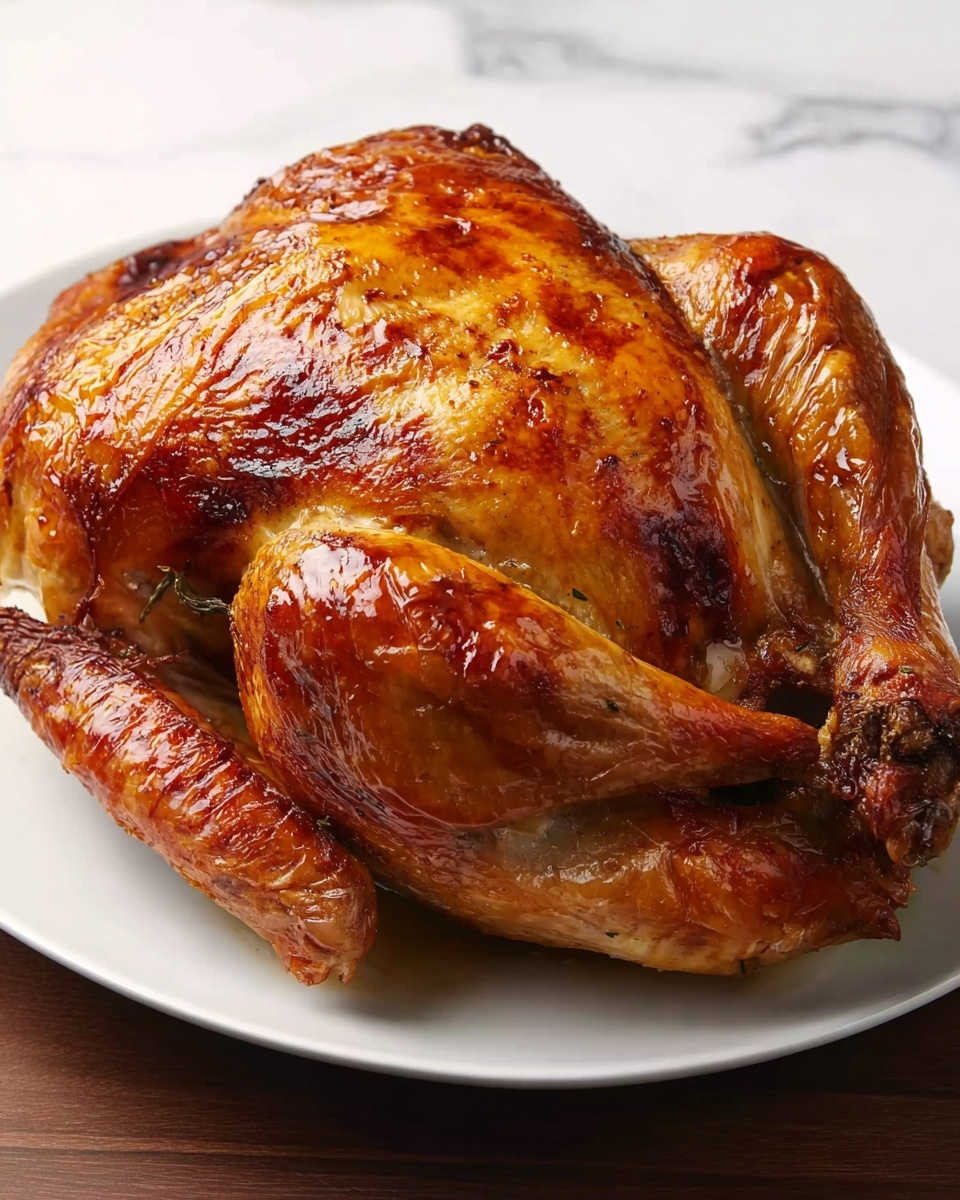
For a show-stopping presentation, scatter fresh herb sprigs and thinly sliced oranges or cranberries around your carved turkey. These bright pops of color and lightly fragrant touches give your dish both visual appeal and an extra hint of freshness.
Side Dishes
Serve alongside traditional sides like creamy mashed potatoes, buttery green beans, roasted root vegetables, or a classic stuffing. These complement the rich flavors of the Classic Herb-Roasted Turkey Recipe and round out a comforting, satisfying meal.
Creative Ways to Present
Try carving the turkey into thick slices and arranging them on a rustic wooden board with fresh herbs, nuts, and dried fruits. Another delightful idea is presenting the whole turkey with a colorful gravy boat nearby, encouraging guests to serve themselves and enjoy the interactive feast.
Make Ahead and Storage
Storing Leftovers
Wrap your leftover turkey tightly in foil or an airtight container and refrigerate within two hours of cooking. Properly stored, your turkey will remain delicious and safe for up to four days, making it perfect for next-day sandwiches or salads.
Freezing
If you want to keep turkey on hand for longer, slice it and place in freezer-safe bags or containers. Labeling with the date helps keep track, and frozen turkey maintains its flavor well for up to three months. This is a great option to enjoy later without compromising quality.
Reheating
Gently reheat turkey slices in a low oven or covered skillet with a splash of broth to prevent drying out. Microwaving works in a pinch but use medium power and cover the meat to keep it moist and tender rather than chewy or tough.
FAQs
Can I use frozen turkey for this recipe?
Absolutely, but make sure your turkey is fully thawed before roasting. Thawing in the refrigerator over a few days is the safest method and ensures even cooking without cold spots.
How do I know when the turkey is fully cooked?
The best way is to use a meat thermometer inserted into the thickest part of the thigh without touching bone. When it hits 165°F, your turkey is perfectly cooked and safe to eat.
Is basting necessary when roasting turkey?
Basting helps keep the skin moist and encourages even browning, but it’s optional. If you prefer, you can rely on the butter under the skin and the chicken broth in the pan to maintain juiciness.
Can I prepare the turkey the day before?
Yes! You can season and stuff the turkey a day in advance and keep it covered in the fridge. Bringing it to room temperature before roasting ensures even cooking.
What can I do with the pan drippings?
Don’t waste those flavorful juices! Use them as a base for a rich gravy by adding flour or cornstarch and simmering until thickened. It’s the perfect accompaniment to your Classic Herb-Roasted Turkey Recipe.
Final Thoughts
Making this Classic Herb-Roasted Turkey Recipe is like inviting warmth and tradition into your kitchen. Its inviting aroma, lush texture, and simple elegance promise you a dish you’ll want to make again and again. So don’t hesitate—grab a turkey, gather your herbs, and get roasting. You’re about to create something truly special to share with those you love.
Print
Classic Herb-Roasted Turkey Recipe
- Prep Time: 20 minutes
- Cook Time: 3 hours 45 minutes (based on 12-pound turkey at 15 minutes per pound)
- Total Time: 4 hours 5 minutes
- Yield: 8 to 10 servings
- Category: Main Dish
- Method: Roasting
- Cuisine: American
Description
This classic roast turkey recipe guides you through preparing a flavorful and perfectly cooked bird. Seasoned with fresh herbs, garlic, and aromatic vegetables, the turkey is roasted slowly for tender, juicy meat with crispy skin.
Ingredients
Turkey and Seasoning
- 1 whole turkey (10 to 14 pounds, thawed if frozen)
- 1/2 cup unsalted butter (softened)
- Salt and pepper (to taste)
Aromatics
- 1 onion (quartered)
- 1 carrot (roughly chopped)
- 1 celery stalk (roughly chopped)
- 5 sprigs fresh thyme
- 3 sprigs fresh rosemary
- 3 sprigs fresh sage
- 4 cloves garlic (peeled and crushed)
Liquid
- 1 cup chicken broth (or water)
Instructions
- Preheat the Oven: Preheat your oven to 325°F (165°C). Position the oven rack on the lowest level to make sufficient room for the turkey to roast properly.
- Prepare the Turkey: Remove the neck and giblets from the turkey cavity. Rinse the turkey thoroughly under cold water, then pat it dry completely with paper towels to ensure even browning.
- Season the Turkey: Rub the softened butter all over the entire turkey, including carefully under the skin to enhance moisture and flavor. Generously season all sides with salt and pepper to taste.
- Add Aromatics: Stuff the turkey’s cavity with the quartered onion, chopped carrot, celery stalk, fresh thyme, rosemary, sage, and crushed garlic cloves. These aromatics will infuse the meat with subtle herb and vegetable flavors during roasting.
- Truss the Turkey: Using kitchen twine, tie the turkey legs together securely. This helps the turkey cook evenly and maintain a compact shape for uniform roasting.
- Place in Roasting Pan: Set the turkey breast-side up on a rack inside a large roasting pan. Pour 1 cup of chicken broth or water into the bottom of the pan to keep the environment moist and aid in basting.
- Roast the Turkey: Transfer the roasting pan to the preheated oven. Roast the turkey, basting with pan juices every 30 to 45 minutes to keep the meat juicy. Roast for approximately 15 minutes per pound, or until the thickest part of the thigh reaches an internal temperature of 165°F (74°C) using a meat thermometer.
- Rest the Turkey: Once the turkey is fully cooked, remove it from the oven and cover loosely with aluminum foil. Allow it to rest for 20 to 30 minutes before carving to let the juices redistribute, ensuring moist, tender slices.
Notes
- Make sure to check the internal temperature with a meat thermometer to avoid undercooking or overcooking.
- Allow the turkey to rest properly to keep meat juicy and easier to carve.
- Use the pan drippings to make a delicious gravy if desired.
- Butter under the skin helps keep the meat moist and the skin crispy.