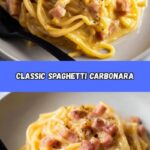
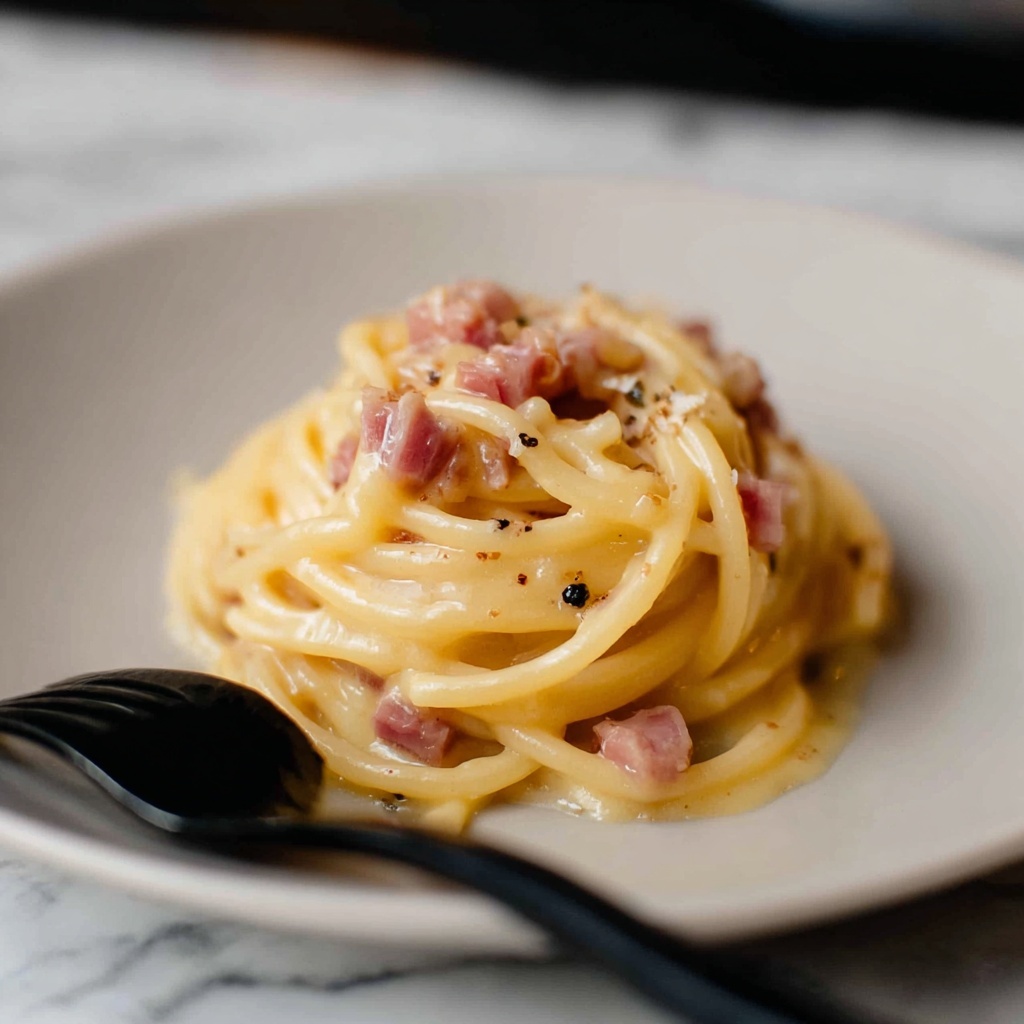
If you have ever dreamed of replicating an exquisite Roman classic in your own kitchen, then this Authentic Carbonara with Guanciale and Parmesan Recipe is exactly what you need. This dish perfectly balances the rich, savory flavor of crispy guanciale with the creamy, cheesy sauce made from eggs and freshly grated Parmesan. Every bite delivers a glorious combination of textures and tastes that feel both indulgent and comfortingly simple. Cooking this recipe is like inviting a little piece of Italy’s heart and soul straight to your dining table, providing a genuine culinary experience that’s truly unforgettable.
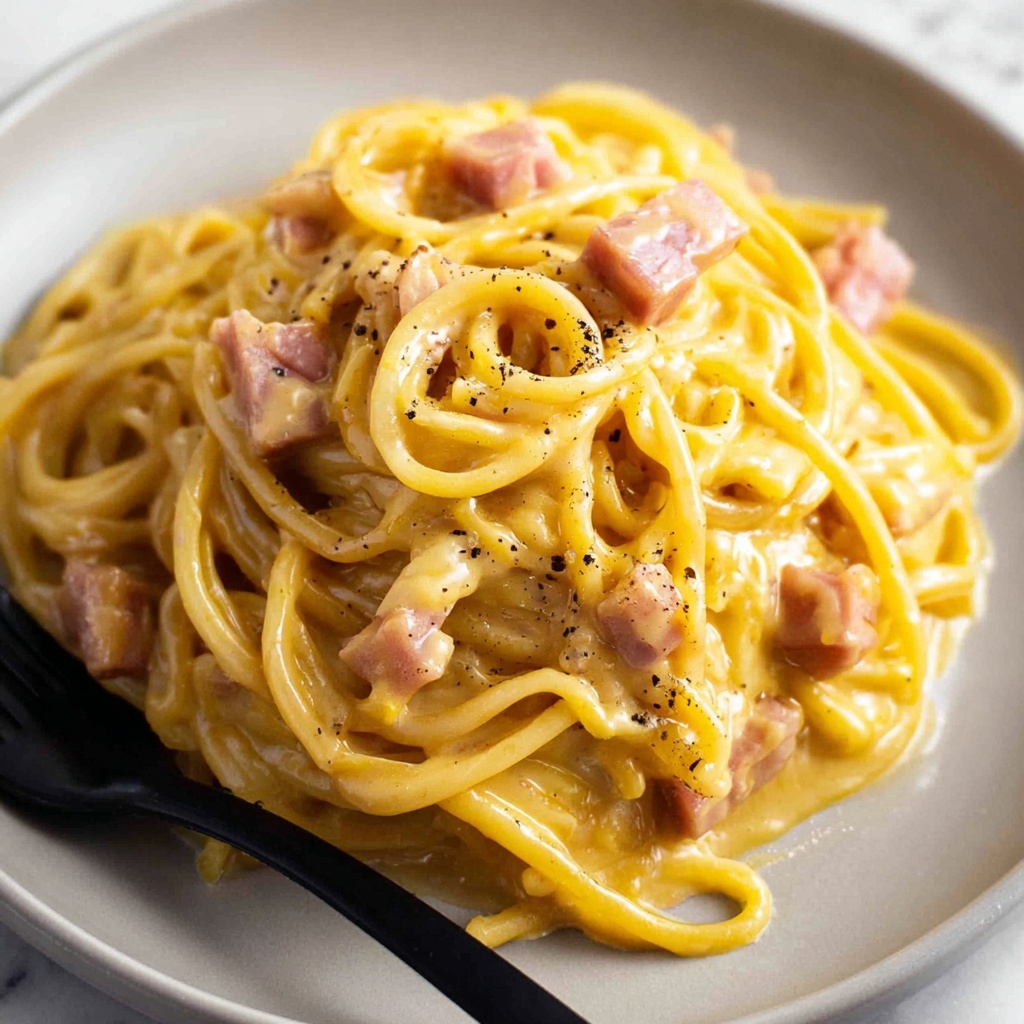
Ingredients You’ll Need
One of the best things about this recipe is how deceptively simple the ingredient list is. Each component plays a crucial role in building layers of flavor and creating the ideal texture, from the delicate creaminess of eggs to the salty crunch of guanciale.
- Guanciale: The star of the dish, guanciale offers a rich pork flavor and crispy texture that pancetta or bacon simply can’t match.
- Large eggs and egg yolks: These form the silky sauce base without any cream, giving the carbonara an indulgent, velvety finish.
- Parmigiano Reggiano: This aged cheese adds a sharp, nutty flavor essential for authentic Italian taste; finely shredded for easy melting.
- Black pepper: A small amount adds a subtle kick that awakens the palate without overpowering other ingredients.
- Spaghetti: The classic pasta choice, providing the perfect canvas to carry the luscious carbonara sauce.
- Kosher salt: Used to season the pasta water, it enhances the natural flavors of the noodles as they cook.
- Garlic (optional): Finely minced and added for a hint of aromatic depth, though traditional recipes often omit this.
- Parsley: Freshly chopped parsley brightens the dish with its color and slight herbaceous note.
How to Make Authentic Carbonara with Guanciale and Parmesan Recipe
Step 1: Prepare the Guanciale
Start by slicing your guanciale into 0.5cm thick slices, then cut those into batons. This cut helps ensure every piece crisps up beautifully, releasing its flavorful fat to cook the rest of your dish.
Step 2: Make the Carbonara Sauce
In a large bowl, whisk together the eggs and yolks until combined. Stir in the finely shredded Parmigiano Reggiano and a generous sprinkle of black pepper. This simple mixture will become the creamy sauce without any added cream, relying solely on the eggs and cheese to coat your pasta perfectly.
Step 3: Cook the Spaghetti
Bring four liters of salted water to a rolling boil, then add the spaghetti. Cook according to the package instructions until al dente – meaning cooked but still firm to the bite. This texture is key to holding onto the sauce beautifully.
Step 4: Reserve Pasta Water and Drain Pasta
Just before draining your pasta, scoop out about one cup of pasta cooking water. This starchy water is essential for adjusting the sauce’s consistency later. Then drain the spaghetti thoroughly but don’t rinse it; you want all that wonderful starch to remain on the noodles.
Step 5: Cook the Guanciale
While the pasta cooks, place the guanciale in a non-stick pan over medium-high heat. Cook it for four to five minutes until it’s golden and crisp. There’s no need for additional oil because as the guanciale heats, its fat melts and fries the meat to perfection. If you’re using garlic, whisk it in during the last minute to infuse a subtle aroma without burning it.
Step 6: Combine Pasta and Guanciale
Transfer the hot pasta directly into the pan with the guanciale. Toss through so every strand is coated with the luscious pork fat, adding an irresistible savory undertone to your pasta.
Step 7: Mix Pasta into Carbonara Sauce
Now for the magic moment. Transfer the pasta and its fat into the bowl with the egg and cheese mixture. Add half a cup of the reserved pasta water, then stir vigorously with a wooden spoon handle for about one minute. Watch as the sauce transforms from thin and watery into a luxuriously creamy sauce that clings to every strand of spaghetti. This step requires energy but is where the true essence of this Authentic Carbonara with Guanciale and Parmesan Recipe shines.
Step 8: Serve Immediately
Plate your pasta into warm bowls and finish with an extra sprinkle of Parmigiano Reggiano, a pinch more black pepper, and some finely chopped parsley for freshness and vibrancy. Serve immediately because carbonara is best enjoyed hot, at its creamiest and most tender.
How to Serve Authentic Carbonara with Guanciale and Parmesan Recipe
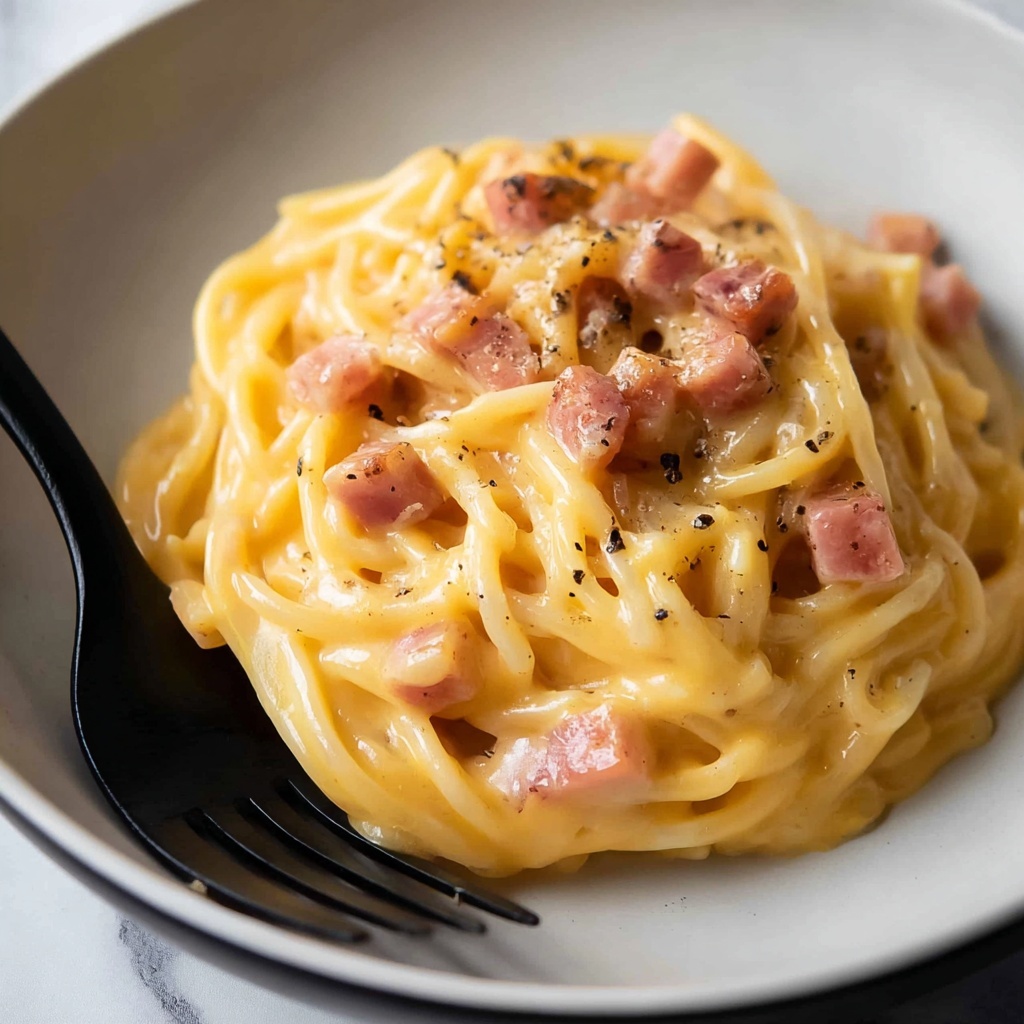
Garnishes
While simplicity is key, adding a few garnishes like freshly grated Parmigiano and a light dusting of black pepper elevates the dish’s richness and enhances the flavors. A sprinkle of chopped parsley adds a fresh color pop and a mild herbal note that balances the richness beautifully.
Side Dishes
Carbonara pairs wonderfully with crisp green salads or lightly sautéed seasonal vegetables like asparagus or green beans, which bring a lovely contrast in texture and freshness. A crusty Italian bread on the side is perfect for mopping up any leftover sauce, creating a complete, heartwarming meal.
Creative Ways to Present
For a special touch, serve carbonara in shallow pasta bowls to showcase the glory of the creamy sauce. You might also finish with a drizzle of high-quality extra virgin olive oil or a tiny pinch of smoked paprika for an unexpected depth. For impressing guests, place crispy guanciale pieces on top as a garnish to highlight the key ingredient boldly.
Make Ahead and Storage
Storing Leftovers
Because carbonara sauce is egg-based and best served fresh, storing leftovers should be done thoughtfully. Place any remaining pasta in an airtight container and refrigerate within two hours of cooking. It will keep well for up to 2 days but will lose some of its silky texture.
Freezing
Freezing carbonara is generally not recommended because the sauce can separate and become grainy upon thawing. If you must freeze leftovers, freeze the pasta and guanciale separately from any sauce components to preserve quality as much as possible.
Reheating
Gently reheat on the stove over low heat, adding a splash of milk or fresh pasta water to help loosen the sauce and avoid scrambling the eggs. Avoid using the microwave for reheating, as it tends to cook the eggs unevenly, ruining the creamy consistency.
FAQs
Can I use pancetta instead of guanciale?
Yes, pancetta can be used as a substitute, though guanciale is preferred for its superior flavor and fat content. Pancetta will result in a slightly different taste and texture but still delicious.
Do I have to use Parmigiano Reggiano?
Authenticity calls for Parmigiano Reggiano or Pecorino Romano, but if neither is available, a good quality hard Italian cheese works in a pinch. Just be mindful that the flavor might be less sharp and nutty.
Is the sauce really safe without cream?
Absolutely! Traditional carbonara uses eggs and cheese to achieve a creamy texture without any cream. The technique of combining eggs with hot pasta and pasta water creates a luscious sauce that’s completely safe and authentic.
Can I prepare the sauce in advance?
It’s best to mix the eggs and cheese right before combining with the pasta to avoid premature cooking. Preparing it too far ahead may cause the eggs to thicken undesirably.
What if I don’t have spaghetti?
You can use other long pasta shapes like bucatini or fettuccine, but spaghetti is classic and carries the sauce beautifully. Avoid short pasta for the most authentic texture and experience.
Final Thoughts
This Authentic Carbonara with Guanciale and Parmesan Recipe is a testament to the beauty of simplicity and tradition. With just a handful of ingredients, you can create a dish that’s creamy, flavorful, and utterly satisfying. Trust me, once you try making carbonara this way, it will quickly become a cherished favorite in your recipe collection. So grab your guanciale, get your pasta water boiling, and prepare to enjoy one of Italy’s greatest culinary gifts right at home.
Print
Authentic Carbonara with Guanciale and Parmesan Recipe
- Prep Time: 5 minutes
- Cook Time: 15 minutes
- Total Time: 20 minutes
- Yield: 4 servings
- Category: Main Course
- Method: Stovetop
- Cuisine: Italian
- Diet: Halal
Description
This authentic Carbonara recipe showcases the traditional Italian technique of creating a creamy sauce using eggs, cheese, and rendered guanciale fat without any cream. Perfectly cooked spaghetti is tossed in savory guanciale fat and combined with a silky egg and parmesan mixture, resulting in a rich yet light pasta dish that is quick and easy to prepare.
Ingredients
Meat
- 175g/6 oz guanciale (pancetta or block bacon), weight after skin removed
Egg Mixture
- 2 large eggs
- 2 egg yolks
- 100g/3.5 oz Parmigiano Reggiano, finely shredded (or Pecorino Romano as a substitute)
- 1/4 tsp black pepper
Pasta
- 400g/14 oz spaghetti
- 1 tbsp kosher salt (for cooking pasta)
- 1/2 cup pasta cooking water (reserved)
Optional Additions
- 1 garlic clove, finely minced (optional)
- Parsley, finely chopped (for garnish)
- Extra Parmigiano Reggiano (for serving)
Instructions
- Prepare the Guanciale. Cut the guanciale into 0.5cm (1/5 inch) thick slices, then cut those slices into batons. This ensures even cooking and a perfect crispy texture.
- Make the Carbonara sauce. In a large bowl, whisk together the whole eggs and egg yolks until combined. Stir in the finely shredded Parmigiano Reggiano and black pepper, creating a creamy sauce base.
- Cook the pasta. Bring 4 litres (4 quarts) of salted water to a rolling boil. Add the spaghetti and cook according to the package instructions until al dente.
- Reserve pasta water and drain pasta. Just before draining, scoop out 1 cup of the pasta cooking water to use later in the sauce. Drain the spaghetti thoroughly.
- Cook the guanciale. While the pasta cooks, heat the guanciale in a non-stick pan over medium-high heat. Allow it to cook for 4 to 5 minutes until golden and the fat renders out. If using garlic, add it in during the last minute to avoid burning and enhance flavor.
- Toss pasta in guanciale fat. Transfer the hot drained pasta into the pan with the guanciale and toss to coat it thoroughly with the rendered fat.
- Combine pasta with sauce. Move the pasta and guanciale mixture into the bowl containing the egg and cheese mixture. Add 1/2 cup (125 ml) of the reserved pasta cooking water. Stir vigorously with the handle of a wooden spoon for about 1 minute, watching as the sauce emulsifies from watery to creamy, coating each strand perfectly.
- Serve immediately. Portion the Carbonara into warm bowls. Garnish with extra Parmigiano Reggiano, freshly ground black pepper, and finely chopped parsley if desired. Serve at once to enjoy the sauce at its silky best.
Notes
- The guanciale should have the skin removed before cutting for optimal texture and flavor.
- Use fresh eggs for best taste and safety, as they are the base of the sauce.
- If Parmigiano Reggiano is unavailable, Pecorino Romano is a traditional and flavorful substitute.
- Garlic is optional in this recipe; if one prefers a mild aromatic hint, add minced garlic during guanciale cooking.
- Do not add cream; traditional Carbonara relies solely on eggs and cheese for creaminess.
- Be careful to stir the sauce rapidly off the heat to prevent scrambling the eggs.