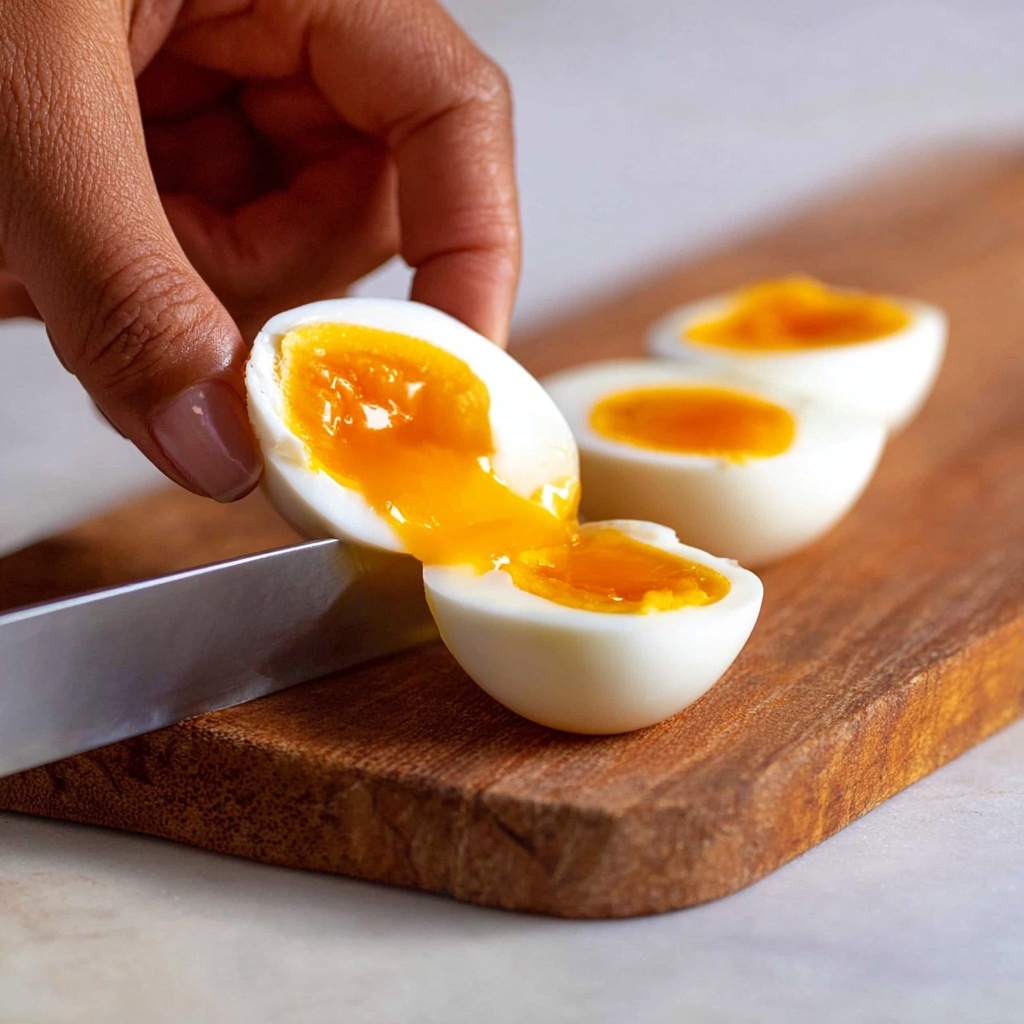
If you’ve ever wondered exactly how to boil eggs perfectly: soft, runny, or hard-boiled recipe, you’re about to unlock a kitchen secret that will forever elevate your breakfast routine, snack game, and meal prep. Whether you crave that luscious, gooey yolk of a soft-boiled egg or the firm, crumbly texture of a hard-boiled one, this guide will ensure you nail it every single time. There’s an unmatched joy in cracking open an egg cooked just right, and with some simple steps and a little patience, you can master this staple of home cooking effortlessly.
Ingredients You’ll Need
The beauty of boiling eggs lies in its simplicity, and this recipe is a perfect example. With only one ingredient at the heart of it all, every detail — from the size to the temperature of the egg — plays a crucial role in the final outcome.
- Large eggs: Use fresh, fridge-cold eggs weighing about 55g (2oz) each, which helps maintain consistent cooking results.
- Water: Enough to cover the eggs by about 3cm (1″), ensuring even cooking without cracking the shells.
How to Make How to Boil Eggs Perfectly: Soft, Runny, or Hard-Boiled Recipe
Step 1: Prepare the Water Level
Start by filling a saucepan with water until it’s deep enough to cover your eggs by about 3cm (1 inch). This depth is key, as it allows the heat to circulate evenly around the eggs during boiling, which helps achieve that perfect texture without overcooking.
Step 2: Bring Water to a Rapid Boil, then Add Eggs
Place your pan over high heat and bring the water to a vigorous boil. Using a slotted spoon, gently lower the cold eggs from the fridge into the water. Doing this carefully will prevent cracks from abrupt temperature changes or rough handling.
Step 3: Lower the Heat Slightly
Once the eggs are in, reduce your heat to medium-high so the water keeps bubbling steadily but not violently. The goal is to simmer the eggs gently without them banging into one another, which could cause cracks and uneven cooking.
Step 4: Timing Your Boil
This is where precision meets deliciousness. Start your timer as soon as all eggs are submerged.
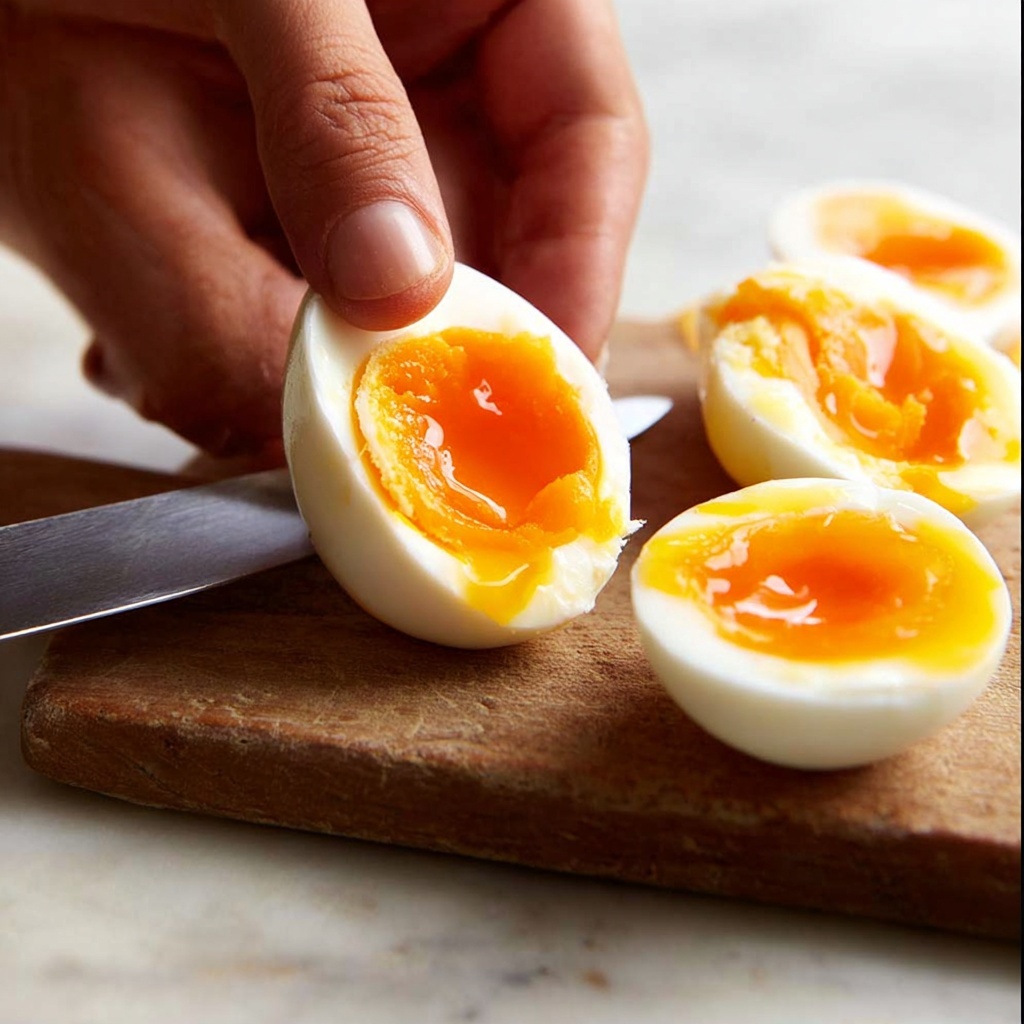
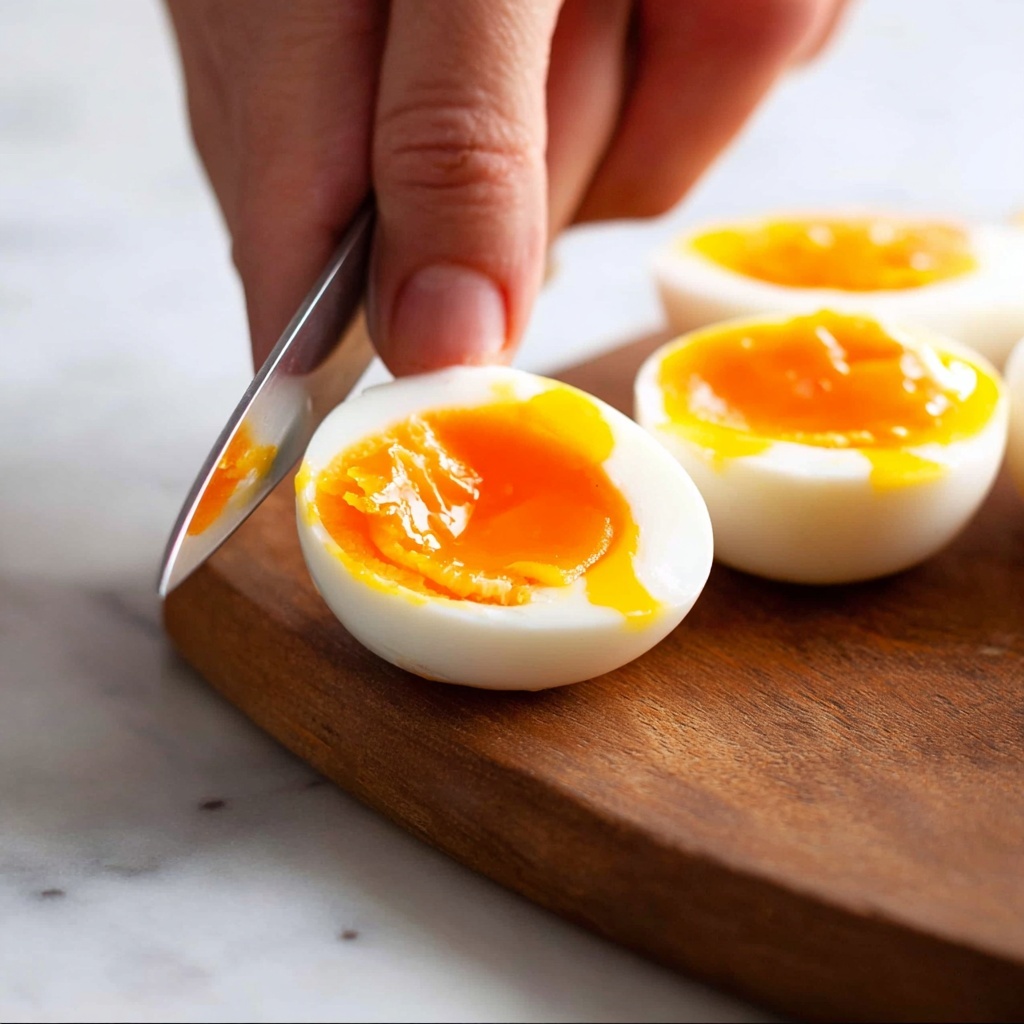
- 3 minutes: For dippy soldiers with yolks so runny you won’t want to stop dipping.
- 6 minutes: Yields runny yolks with a bit more body—perfect for salads or breakfasts.
- 8 minutes: Soft-boiled eggs with creamy yolks that hold shape but remain luscious.
- 10 minutes: Classic hard-boiled eggs, firm and perfect for slicing or chopping.
Step 5: Cool the Eggs Immediately
Once the timer dings, scoop your eggs out with a slotted spoon and plunge them into a large bowl or sink filled with cold tap water. This ice bath stops the cooking instantly, ensuring the yolk remains at your desired doneness. Let the eggs relax in the cool water for about 10 minutes, making peeling easier and preventing that telltale green ring around the yolks.
Step 6: Peel with Care
The peeling stage is where your perfect technique shines. Gently tap the base of the egg against a countertop to crack the shell, then peel it off under running water or in a bowl of water. The water helps separate the membrane from the egg white, making peeling less frustrating and more satisfying.
Step 7: Store Any Extras Properly
Hard-boiled eggs are wonderfully versatile and can last up to 7 days in the fridge, whether peeled or still in their shells. Just make sure to keep them refrigerated to maintain freshness. As a heads-up, freezing boiled eggs isn’t recommended because the whites can get rubbery and unappetizing.
How to Serve How to Boil Eggs Perfectly: Soft, Runny, or Hard-Boiled Recipe
Garnishes
Nothing beats a sprinkle of flaky sea salt and freshly cracked black pepper to enhance your perfectly boiled eggs. For a flavor leap, try a dash of smoked paprika, a drizzle of chili oil, or some finely chopped fresh herbs like chives or dill to brighten every bite.
Side Dishes
Pair your eggs with lightly buttered toast soldiers for dipping, a vibrant salad to add crunch and freshness, or a side of sautéed greens for something savory and nutritious to balance the meal. Boiled eggs offer endless possibilities to complement both simple and elaborate dishes.
Creative Ways to Present
Transform your eggs into eye-catching delights by slicing them over avocado toast, stacking them in breakfast bowls with grains and veggies, or halving hard-boiled eggs for classic deviled eggs with a zesty twist. Presentation can turn your humble boiled egg into a real star at the table.
Make Ahead and Storage
Storing Leftovers
If you’re cooking a batch, just keep hard-boiled eggs in their shells in the refrigerator — they stay fresh and tasty for up to one week. Peel only before serving to maintain moisture and prevent drying out.
Freezing
While freezing isn’t recommended due to texture changes, having these perfectly boiled eggs on hand means you rarely need to think about freezing since they keep well fresh.
Reheating
For soft or medium-boiled eggs, reheating is tricky without overcooking. For hard-boiled eggs, a brief warm-up in hot tap water or microwave (with shell removed) can work, but fresh is always best for ultimate texture and flavor.
FAQs
Can I use eggs that are not fresh for boiling?
Older eggs peel more easily after boiling, so if your eggs aren’t the freshest, they might actually be easier to peel. However, for the best taste and safety, fresh eggs are always recommended.
Why do some eggs crack during boiling?
Cracking often happens when eggs are added to water that’s already boiling vigorously, or if they hit the pan too hard. To prevent this, lower eggs gently with a slotted spoon and keep the water at a gentle simmer.
How do I know when eggs are soft, medium, or hard boiled?
The cooking time guides in this recipe will help you nail the texture: 3 minutes for soft and runny, 6 to 8 minutes for medium, and 10 minutes for hard-boiled eggs with fully set yolks.
Is it better to start eggs in cold or boiling water?
This recipe starts with boiling water before adding eggs, which leads to more precise control over cooking times and consistent results, especially important for soft and runny yolks.
Can I boil eggs at high altitude?
At higher altitudes, water boils at a lower temperature, so you may need to extend the cooking time slightly. Adding a minute or two to the times listed here usually does the trick.
Final Thoughts
Once you get the hang of how to boil eggs perfectly: soft, runny, or hard-boiled recipe, you’ll wonder how you ever lived without this skill. From a quick breakfast to an elegant appetizer, boiling eggs perfectly is an essential kitchen confidence builder. So grab a pot, some eggs, and dive in – your perfect egg is waiting.
Print
How to Boil Eggs Perfectly: Soft, Runny, or Hard-Boiled Recipe
- Prep Time: 2 minutes
- Cook Time: 10 minutes (depends on doneness)
- Total Time: 12 minutes
- Yield: Varies depending on number of eggs cooked
- Category: Breakfast
- Method: Boiling
- Cuisine: Universal
Description
A simple and reliable method to boil eggs to your preferred doneness, whether you like runny yolks or hard boiled eggs. This guide provides step-by-step instructions for perfectly boiled eggs with tips for easy peeling and storage.
Ingredients
Ingredients
- Large eggs, fridge cold (about 55g / 2oz each)
- Water, enough to cover eggs by 3cm (1 inch) or more
Instructions
- Prepare water level: Fill a saucepan with enough water so it will cover the eggs by 3cm (1 inch) or more to ensure even cooking.
- Bring water to boil, then add eggs: Heat the water to a rapid boil over high heat. Using a slotted spoon, gently lower the fridge-cold eggs into the boiling water to avoid cracking.
- Lower heat: Reduce the heat to medium-high to maintain a gentle boil. This prevents the eggs from bouncing around and cracking while cooking.
- Start timing: Once the eggs are all in the water, start your timer. Cook times vary based on desired doneness: 3 minutes for dippy soldiers (runny and unpeelable), 6 minutes for runny yolks, 8 minutes for soft boiled, and 10 minutes for hard boiled eggs.
- Cool eggs: Remove the eggs using a slotted spoon and place them into a large bowl or sink filled with cold tap water or ice water. Let them cool for 10 minutes to stop cooking and make peeling easier.
- Peel eggs: Tap the base of the egg on a counter to crack the shell, then peel the shell off under running or standing water starting from the base where peeling is easier.
- Store eggs: Hard boiled eggs can be stored in the refrigerator for up to 7 days either peeled or unpeeled. Avoid freezing cooked eggs as the whites deteriorate in texture.
Notes
- Using fridge-cold eggs helps prevent cracking when added to boiling water.
- Maintaining a gentle boil ensures eggs cook evenly without shell damage.
- Cooling eggs rapidly in ice water stops the cooking process and aids in peeling.
- Hard boiled eggs keep well for a week in the fridge but are not suitable for freezing.