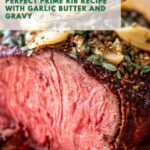
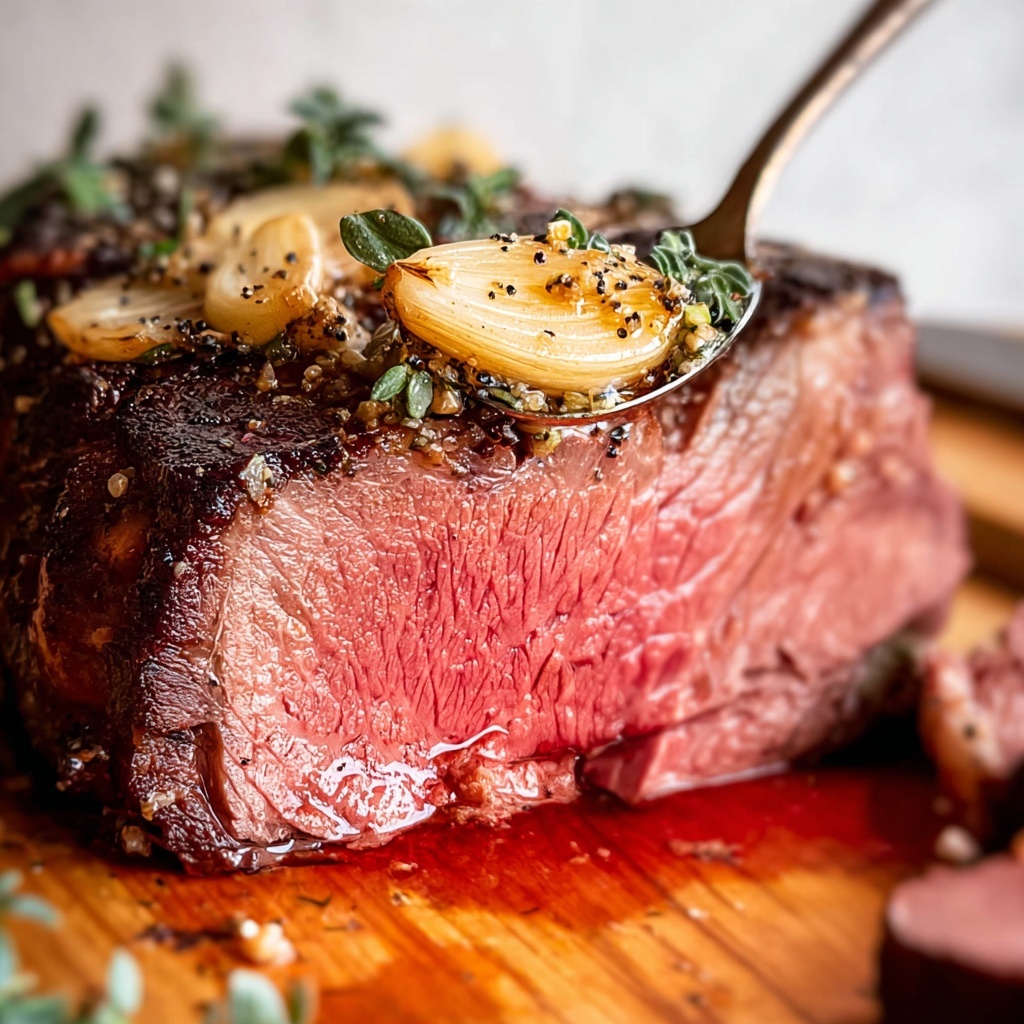
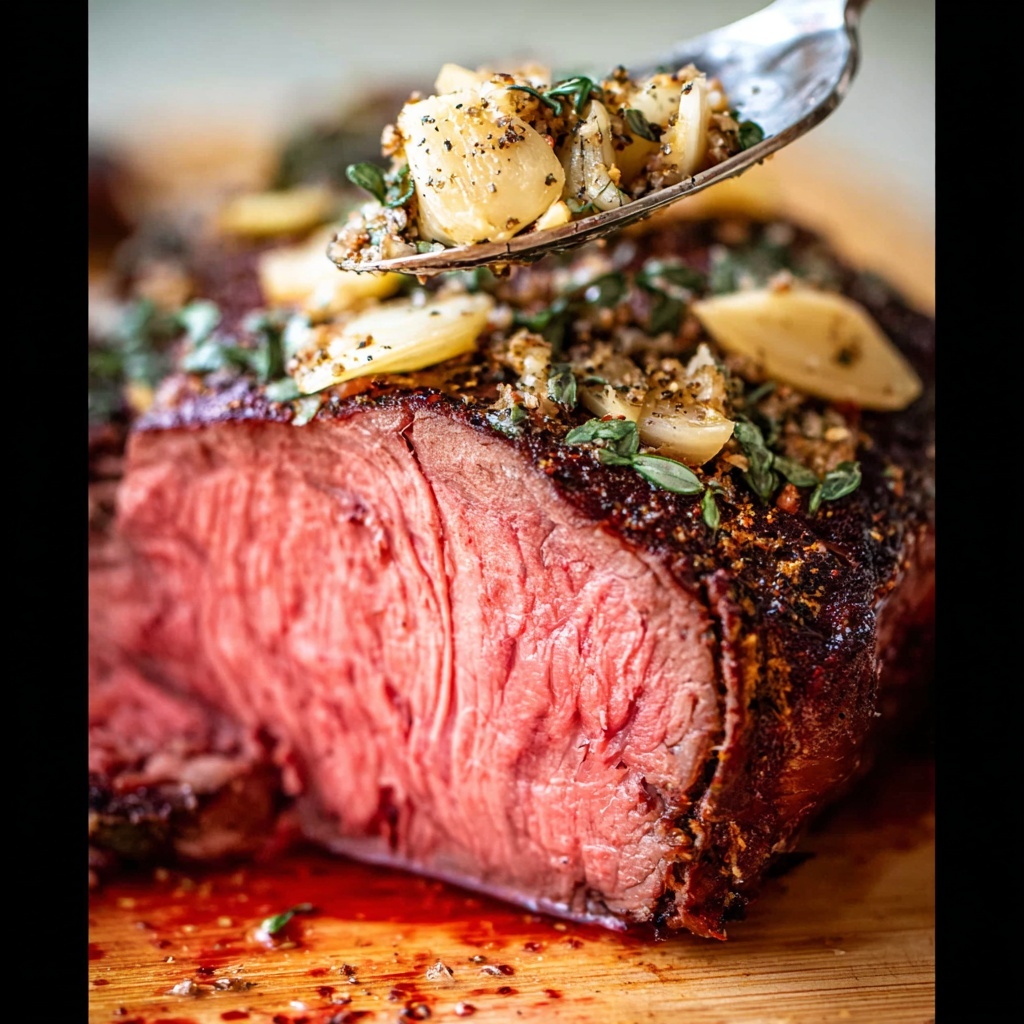
If you are dreaming of a show-stopping centerpiece for your next special meal, look no further than The Best Prime Rib Recipe. This indulgent, melt-in-your-mouth roast boasts a perfect crust, juicy fragile meat inside, and an unbeatable depth of flavor that only a carefully prepared prime rib can deliver. With its elegant presentation and classic garlic butter sauce, this recipe will have your guests raving and your family asking for it again and again. Whether it’s a holiday feast or an impressive weekend dinner, The Best Prime Rib Recipe brings restaurant-worthy quality right to your kitchen.
Ingredients You’ll Need
Though this recipe might seem grand, the ingredients themselves are refreshingly simple and each plays a vital role in crafting a prime rib that is flavorful, tender, and beautifully textured. From fresh herbs adding fragrant notes to the richness of butter balancing savory depth, every item here is essential.
- 8-pound prime rib roast (3 ribs): This is the star of the show, choose prime-grade for the best tenderness and marbling.
- 2 1/2 tablespoons kosher salt: Essential for seasoning deeply and helping tenderize the meat.
- 1/4 cup vegetable oil: Used to achieve a gorgeous sear locking in juices.
- 2 cups water: For making the flavorful beef broth base.
- 1 tablespoon Better Than Bouillon Beef Base: Adds a rich, savory umami boost to the broth.
- 2 cups drippings: The natural juices from the roast that create incredible gravy.
- 1 1/2 cups water: For thickening the gravy with flour.
- 1/3 cup flour: To create a silky, smooth gravy texture.
- 1/2 teaspoon black pepper: Adds a subtle kick and rounds out flavors.
- 2 tablespoons butter (optional): Enriches the gravy with creamy silkiness.
- 1 cup butter (2 sticks): The base for the savory garlic butter sauce.
- 15 cloves garlic: Thinly sliced for infusing the butter with intoxicating flavor.
- 2 teaspoons granulated garlic: For an extra garlic punch in the butter sauce.
- 3/4 teaspoon kosher salt: Balances the flavors in the garlic butter.
- 2 teaspoons fresh black pepper: Adds a fragrant and bright peppery note.
- 1 1/2 tablespoons fresh rosemary: Provides aromatic herbaceousness to the butter sauce.
- 1 1/2 tablespoons fresh thyme: Complements rosemary for an earthy, fresh touch.
How to Make The Best Prime Rib Recipe
Step 1: Gather Your Tools and Ingredients
Before diving in, arm yourself with a reliable meat thermometer — it’s your most trusted friend here. Cooking prime rib perfectly is all about precision, so a probe meat thermometer that stays inserted during the roasting will make all the difference. Get ready to create magic in your kitchen!
Step 2: Choose and Prepare Your Prime Rib
For The Best Prime Rib Recipe, start by asking your butcher for prime-grade “first cut” ribs 10, 11, and 12. These have the best marbling and tenderness. Have your butcher trim the rib bones if needed or be prepared to carefully cut them yourself, which helps you achieve perfect cooking and serving presentation. Scoring the fat cap in a crosshatch pattern allows the kosher salt to penetrate deeply, seasoning the meat as it rests.
Step 3: Salt and Refrigerate
Rub 2 1/2 tablespoons of kosher salt generously all over the roast, being sure to get into every nook, including the crosshatch slits and the exposed bones. Position the roast on a rack over a baking sheet with the bones underneath, then refrigerate it uncovered for 24 to 48 hours. This dry brine deeply seasons and tenderizes for that unbeatable crust and flavor.
Step 4: Bring to Room Temperature and Preheat
About two hours before cooking, let the roast sit on your counter to come to room temperature for even cooking. Meanwhile, preheat your oven low and slow to 200 degrees Fahrenheit—a crucial step to cooking the beef gently and evenly, ensuring a tender result throughout.
Step 5: Sear the Roast and Bones
Heat a heavy-bottomed pan and add vegetable oil for searing. Brown the roast on all sides to develop that irresistible crust. Searing the bones in the same pan adds extra flavor depth to your final gravy. This step may add a few extra minutes but is key to building complexity in your dish.
Step 6: Make the Broth and Reassemble
Add water and Better Than Bouillon to the pan to deglaze, lifting all the flavorful browned bits, then pour this broth into your roasting pan. Place the bones on the rack again, then set your seared roast atop the bones and tie with kitchen twine to hold everything securely in place during roasting.
Step 7: Roast Low and Slow
Insert your probe thermometer into the thickest part of the meat and place the entire setup on the lower rack of your oven. Cook gently at 200 degrees until the internal temperature reaches around 115 degrees Fahrenheit. Then turn off the oven but leave the roast inside with the door cracked open for gradual, gentle carryover cooking. This technique yields perfectly tender, juicy prime rib without overcooking.
Step 8: Rest and Make the Gravy
Once your roast reaches desired doneness (between 120-130 degrees depending on preference), remove it and tent with foil to rest for 30 minutes or more. Meanwhile prepare the gravy by boiling the drippings with added flour, butter, and seasoning until silky smooth and flavorful. This gravy is the ultimate companion to The Best Prime Rib Recipe.
Step 9: Garlic Butter Sauce and Broil
Melt butter and gently cook garlic and herbs until fragrant, forming a luscious garlic butter sauce. Just before serving, broil the rested prime rib a few minutes to crisp and brown the top beautifully. Then carve against the grain and drizzle with the aromatic garlic butter for a luxurious finishing touch.
How to Serve The Best Prime Rib Recipe
Garnishes
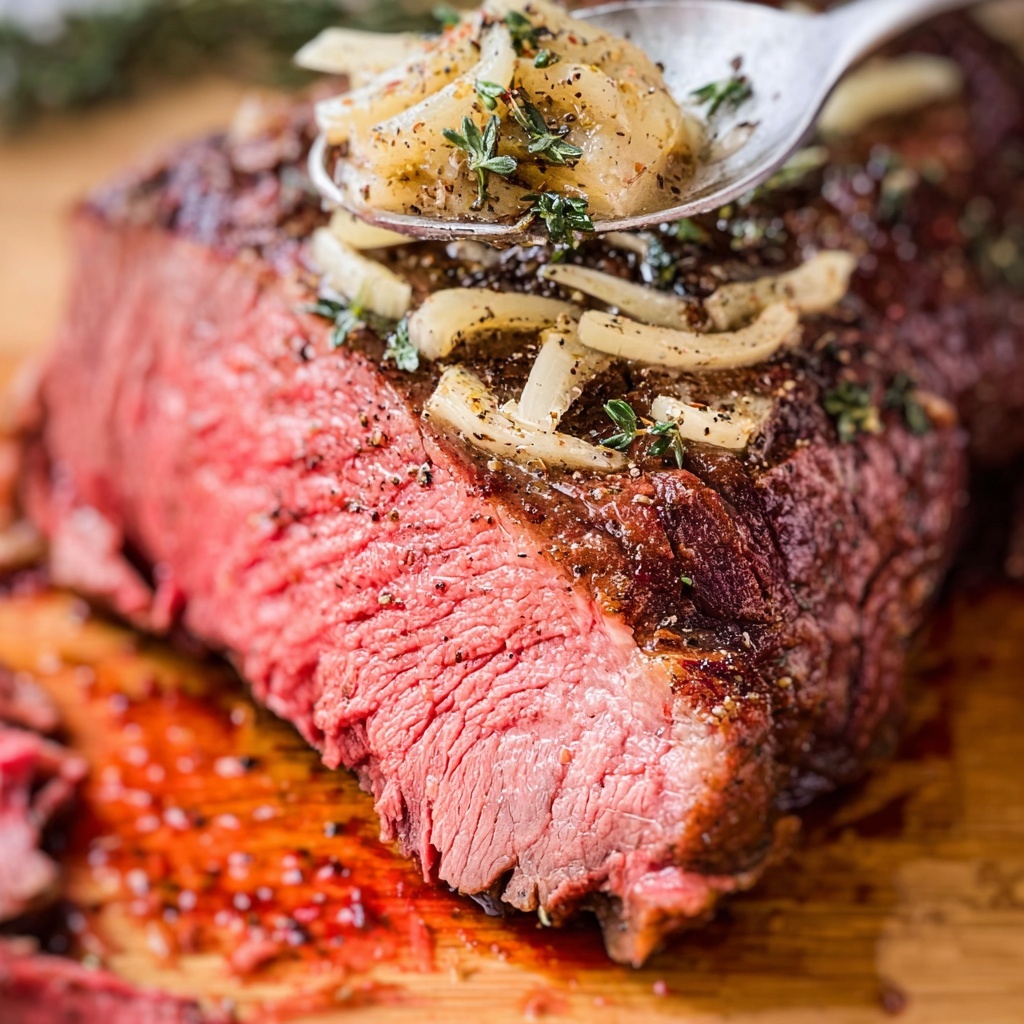
Fresh herbs such as rosemary and thyme make perfect garnishes, echoing the garlic butter sauce flavors and adding a pop of vibrant green color. A simple sprinkle of flaky sea salt after broiling will highlight the crust’s savory crunch.
Side Dishes
Prime rib cries out for classic, comforting sides. Creamy mashed potatoes are a no-brainer, ready to soak up the luscious gravy. Roasted root vegetables, sautéed green beans, or a crisp Caesar salad provide lovely textures and flavors to balance the rich main.
Creative Ways to Present
Why not create an inviting carved platter, layering slices of prime rib over a bed of fresh arugula or microgreens? Serve garlic butter sauce in a small bowl alongside for guests to drizzle as much as they please. For an elegant touch, add a sprinkle of pink peppercorns or edible flowers for a beautiful pop of color that matches your celebratory vibe.
Make Ahead and Storage
Storing Leftovers
Allow your prime rib to cool completely before storing it in an airtight container in the refrigerator. Properly stored, it will remain tender and flavorful for up to 5-7 days, making it fantastic for sandwiches, salads, or reheated dinners.
Freezing
If you want to keep prime rib longer, wrap it tightly in plastic and then foil before freezing. This double layer protects flavor and texture. When frozen correctly, it can last for 2 to 3 months without losing much quality.
Reheating
The best way to reheat your prime rib is low and slow in the oven at 200-225 degrees Fahrenheit, covered with foil and nestled in some broth or drippings to preserve moisture. This gentle reheating can take an hour or more but sustains tenderness. Microwaving is not recommended as it tends to dry out this precious meat.
FAQs
What makes this the best prime rib recipe?
The methodical low-and-slow cooking combined with well-executed seasoning, resting, and finishing steps ensures tender, juicy meat and a deeply flavorful crust. Using a probe thermometer takes the guesswork out and helps you achieve perfect doneness every time.
Can I use a different cut of beef?
Prime rib is a specific cut prized for its marbling and texture. While you can try similar methods with ribeye roasts or standing ribs, the result won’t match the exact flavor and tenderness of a genuine prime rib roast.
Why do I need to dry brine the roast?
Dry brining with kosher salt not only seasons the meat throughout but also helps break down proteins to tenderize it. Leaving it uncovered in the fridge also dries the surface, helping you get a crispier crust after roasting.
Is searing absolutely necessary?
Searing locks in juices and creates the flavorful crust that prime rib is known for. Skipping searing will result in a less appealing texture and milder flavor, so it’s worth the extra few minutes!
How do I know when the roast is done?
The best prime rib recipe relies on a probe thermometer. Aim for 120-130 degrees Fahrenheit for rare to medium-rare. Remember the roast will carry-over cook while resting, so taking it out slightly early is key.
Final Thoughts
You deserve a centerpiece meal that wows everyone and makes your kitchen the happiest place to gather. The Best Prime Rib Recipe brings together time-tested techniques, simple ingredients, and true love for exceptional food. Give it a try, and get ready to bask in compliments and plan your next dinner party around this unforgettable roast. Your perfect prime rib journey starts here—trust me, it’s worth every step!
Print
The Best Prime Rib Recipe
- Prep Time: 30 minutes
- Cook Time: 3 hours
- Total Time: 3 hours 30 minutes (+ 24 hours refrigeration time)
- Yield: 8 servings
- Category: Main Course
- Method: Roasting
- Cuisine: American
Description
Experience the ultimate indulgence with this expertly crafted Prime Rib recipe, perfect for special occasions and family gatherings. Featuring a succulent 8-pound prime rib roast seasoned with kosher salt and seared to perfection before slow roasting at low temperature, this recipe ensures an evenly cooked, juicy, and tender prime rib. Accompanied by a rich homemade gravy and a flavorful garlic butter sauce infused with fresh herbs, this dish is designed to delight your taste buds with deep, savory flavors and a crispy, golden crust.
Ingredients
Prime Rib Roast
- 1 8-pound prime rib roast (3 ribs)
- 2 and 1/2 tablespoons kosher salt (see note for substitutions)
- 1/4 cup vegetable oil (divided for searing; light olive oil recommended)
Broth and Gravy
- 2 cups water
- 1 tablespoon Better Than Bouillon Beef Base
- 2 cups drippings (from roast)
- 1 and 1/2 cups water
- 1/3 cup flour
- 1/2 teaspoon black pepper
- 2 tablespoons butter (optional)
Garlic Butter Sauce
- 1 cup butter (2 sticks)
- 15 cloves garlic, thinly sliced
- 2 teaspoons granulated garlic
- 3/4 teaspoon kosher salt
- 2 teaspoons fresh black pepper
- 1 and 1/2 tablespoons fresh rosemary, finely chopped
- 1 and 1/2 tablespoons fresh thyme leaves
Instructions
- Gather your tools: Use a reliable probe meat thermometer that stays inserted throughout cooking to ensure perfect results.
- Choose your prime rib: Request prime-grade “first cut” ribs 10, 11, and 12 from your butcher for the best quality.
- Talk to your butcher: Ask the butcher to remove rib bones and tie them back with twine; if not done, you’ll do it yourself.
- Prep your roast: Prepare your roasting pan with a rack or cooling rack over a baking sheet; gather kitchen twine and kosher salt.
- Cut off the bones: If necessary, carefully cut the rib bones off with a sharp serrated knife following the bone’s curve.
- Separate roast and bones: If tied, cut the twine and separate roast; keep track of their orientation for reassembly.
- Score the fat: Using a serrated knife, score the fat cap in a crosshatch pattern without cutting into the meat to help salt penetration.
- Salt the roast: Thoroughly rub 2 and 1/2 tablespoons kosher salt all over the roast including into the crosshatch slits and on the exposed bone side.
- Place the roast on a rack: Arrange the bones first, then the roast on top to avoid juices pooling. No need to tie now.
- Refrigerate: Chill the salted roast uncovered for 24 to 48 hours to dry brine and enhance flavor and tenderness.
- Bring to room temperature: On cooking day, leave the roast out for 2 hours to ensure even cooking.
- Preheat oven: Set your oven to 200°F for slow roasting.
- Sear the roast: Heat a 12-inch stainless steel pan over medium-high heat, add 1/4 cup oil, and sear the roast on all sides until crispy and browned, about 2-3 minutes per side and edges.
- Sear the bones (optional): Sear the bones in the same pan for additional flavor.
- Make a broth: Add 2 cups water and 1 tablespoon beef bouillon to the pan, bring to a boil scraping browned bits, and pour broth into the roasting pan.
- Reassemble and tie the roast: Place bones on the rack, set seared roast on top in original orientation, and securely tie with kitchen twine.
- Insert probe thermometer: Insert into the thickest part of the meat and set alarm for 110°F.
- Cook roast: Place roast on the lower oven rack at 200°F and roast until thermometer reaches 115°F.
- Turn off oven: Crack open oven door and leave roast inside to continue cooking slowly from residual heat.
- Check temperatures: Remove roast when internal temperature reaches 125°F for rare, or 130°F for medium-rare.
- Rest the roast: Transfer roast to a carving board, tent loosely with foil, and let rest for 30 to 60 minutes to redistribute juices.
- Make the gravy: If necessary, separate fat from drippings, return broth to the pan, bring to boil, then whisk in flour slurry (1/3 cup flour mixed with 1 1/2 cups water) slowly; simmer 5 minutes, add butter and black pepper, adjust salt and bouillon to taste.
- Make garlic butter sauce: Melt 1 cup butter over medium heat, add garlic slices, granulated garlic, salt, and black pepper; cook 2-5 minutes until fragrant and lightly golden, remove from heat, stir in rosemary and thyme, then set aside.
- Broil the prime rib: Place rested roast back on rack in roasting pan (no gravy), position with foil underneath to level; broil on high for 2-5 minutes until top is browned and crispy.
- Remove twine and carve: Cut kitchen twine, separate roast from bones, transfer to carving board, drizzle with garlic butter sauce.
- Serve: Slice the prime rib against the grain in 1/2-inch slices and serve with garlic butter sauce, gravy, and mashed potatoes.
- Store: Cool leftover prime rib to room temperature then place in airtight container; keeps for 5-7 days refrigerated.
- Reheat: Reheat gently in a 200-225°F oven covered with foil and some liquid for 60-90 minutes; microwave reheating not recommended to preserve texture and moisture.
Notes
- Using a probe meat thermometer is essential to avoid over or undercooking.
- If kosher salt is not available, use sea salt but adjust quantity accordingly.
- Removing bones and tying them back in enhances flavor and insulates the roast.
- Scoring the fat allows better penetration of seasoning and improves tenderness.
- Low and slow roasting at 200°F ensures even cooking and a juicy interior.
- Resting the meat before carving allows juices to redistribute for optimal taste.
- Broiling at the end creates a desirable crispy crust.
- Make sure to bring the roast to room temperature before cooking to ensure even doneness.
- Microwaving leftovers is discouraged as it dries out the meat; slow oven reheating is preferred.